
 By
By 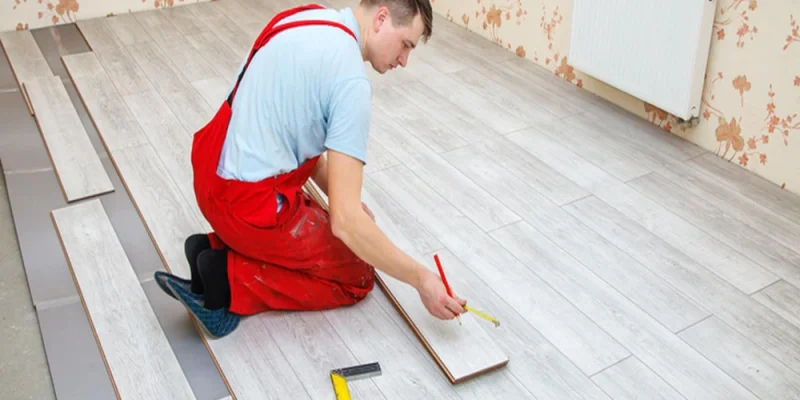
A flooring choice that looks attractive in a showroom may perform differently under St. George’s intense sun, dry air, blowing dust, and frequent indoor-outdoor traffic. Homeowners, landlords, and remodeling professionals need surfaces that can handle heat without creating excessive maintenance or replacement costs.
The best flooring decision depends on the room, the home’s exposure to sunlight, and how much wear the surface receives. A busy entryway has different needs from a guest bedroom, while a rental property may benefit from a more durable material than a lightly used second home. Comparing options with those realities in mind makes it easier to choose flooring that continues to look good after several summers.
Porcelain Tile Offers Reliable Desert Durability
Porcelain tile is one of the most practical choices for kitchens, bathrooms, entryways, and main living spaces. It resists moisture, does not absorb odors easily, and stands up well to grit tracked in from patios, driveways, and red-rock trails.
Large-format tile can also create a clean, open appearance in smaller homes. Light beige, warm gray, and muted stone patterns complement desert-inspired interiors without making dust immediately obvious. However, grout still requires attention. Sealing grout lines and cleaning them regularly can prevent discoloration, particularly in kitchens and high-traffic hallways.
Tile can feel cool underfoot during the warmer months, which many St. George residents appreciate. The tradeoff is that hard surfaces may be less comfortable for households with young children, older adults, or pets. Area rugs can add warmth, but they should include breathable pads to avoid trapping dust and moisture beneath them.
Luxury Vinyl Makes Sense for Busy Households
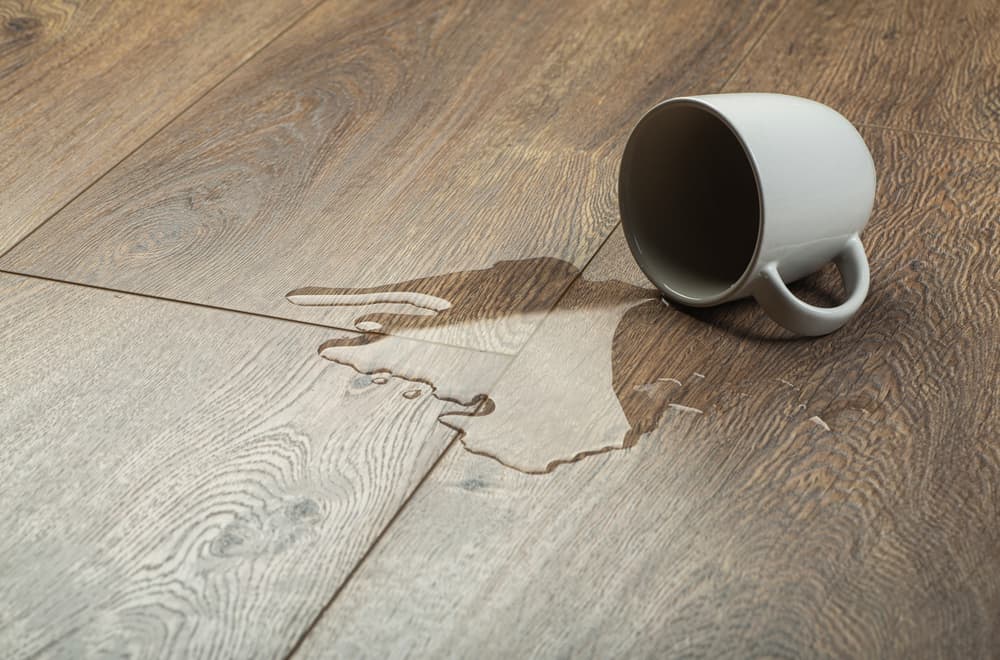
Luxury vinyl plank and tile have become popular for homeowners who want the appearance of wood or stone with less upkeep. Quality products resist everyday spills, are easier to clean than many natural materials, and can provide a softer feel than porcelain tile.
This option works especially well in family rooms, hallways, laundry areas, and rental homes where flooring may face frequent traffic. Textured finishes and moderate color variation can help disguise small amounts of dust and routine wear. A rigid-core product may also provide better stability than a thin, flexible material when installed over a properly prepared subfloor.
Sun exposure deserves special consideration. Rooms with large west- or south-facing windows can experience strong ultraviolet exposure, which may gradually affect certain flooring colors. Ask about the product’s fade resistance, use window coverings during the brightest afternoon hours, and keep extra planks available for future repairs. Replacing one damaged section is usually more manageable than replacing an entire room.
Before comparing local options for flooring St George Utah, homeowners should identify the rooms that need the greatest protection. A durable product in the entry and living areas may matter more than installing the same material throughout the entire house.
Engineered Wood Brings Warmth With Fewer Compromises
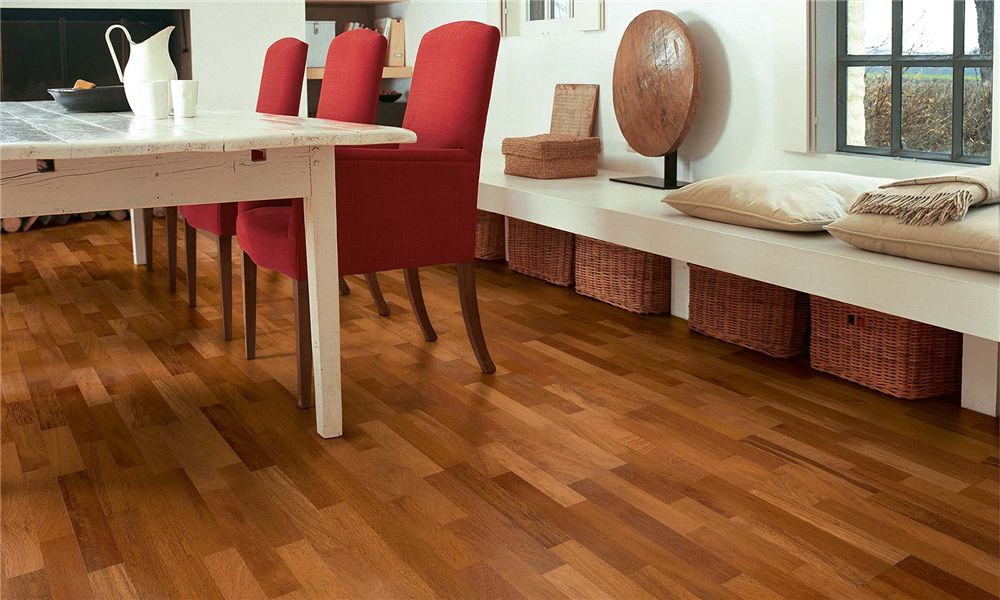
Engineered hardwood can add warmth and visual character to bedrooms, dining rooms, and living areas. Its layered construction is generally more stable than solid hardwood when indoor conditions change, but it still needs protection from standing water, pet accidents, and abrasive grit.
This flooring is best suited to areas where the household can follow a simple maintenance routine. Use felt pads under furniture, sweep frequently, and place mats at exterior doors. Avoid steam cleaning unless the manufacturer specifically allows it. In a vacation property or rental, engineered wood may require more careful management than vinyl or tile.
Where Carpet Still Has a Place
Carpet can remain a sensible choice for bedrooms, offices, and media rooms. It reduces noise, feels comfortable in the morning, and creates a softer environment for children. Low-pile styles are often easier to vacuum and less likely to hold excessive dust than thick, plush designs.
For desert homes, carpet should not be treated as a whole-house solution. Keeping it away from exterior entries and damp areas reduces staining and cleaning demands. A professional installation with a quality pad can also improve comfort and extend its useful life.
Plan the Installation Around the Home
Material selection is only part of the result. Before installation, check the subfloor for uneven areas, moisture concerns, and movement. Poor preparation can lead to cracked tile, separated plank joints, or visible dips regardless of the flooring’s price.
Consider transitions between rooms, door clearances, baseboards, and the direction of natural light. Schedule installation before the hottest part of summer when possible, and follow the manufacturer’s acclimation requirements for wood-based products. A thoughtful plan can reduce waste, prevent premature repairs, and help the finished flooring support the home’s style and daily use.








Comments