
 By
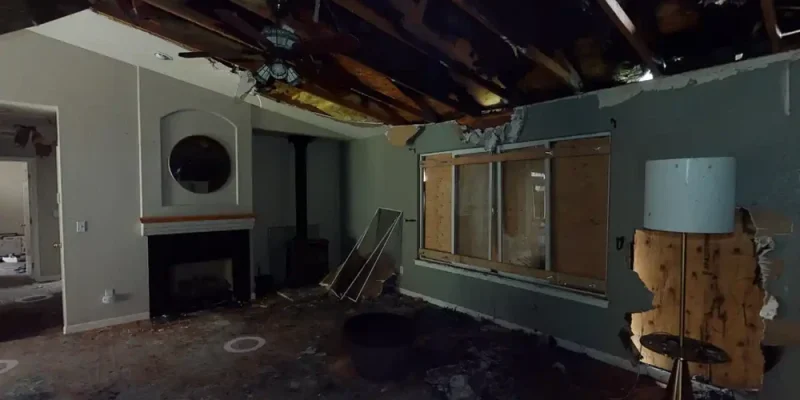
Most house fires in the colder months start small. Oil left too long in a pan, a space heater pushed too close to a curtain, a candle forgotten on a windowsill. The fire department arrives, the flames are out within minutes, and the damage seems to end at one blackened wall. Then a week later the bedroom upstairs still smells like a campfire, and a grey film keeps coming back on the bathroom mirror.
Many homeowners are caught off guard by that gap between the visible burn and the real smoke damage. Restoration crews like American Restoration Professionals spend a lot of their time on fires that never left the kitchen, because the residue from those fires travels through the whole house. Knowing how smoke moves and what it does once it settles helps you make better decisions in the first few days.
Cooking is still the leading cause of home fires, according to U.S. Fire Administration data, and most cooking fires stay small. That doesn’t make them harmless. A fire can burn for just a few minutes and still push soot into every room that shares its air.
Smoke Follows the Air, Not the Fire
Hot smoke expands and rises, and it builds pressure that pushes it into cooler parts of the house. It moves through gaps you rarely think about, like the spaces around outlet boxes, recessed lights, plumbing holes and attic hatches. Closets and cabinets that were shut can still collect a fine layer of soot through their door gaps.
A forced-air heating system makes this much worse. If the furnace fan was running during or after the fire, the return vents pulled smoky air in and the supply vents sent it to every room. The ductwork itself is then coated and will keep releasing odor until it’s cleaned.
Soot also collects on cold surfaces. Exterior walls, window glass and ceilings under unheated attics attract more residue than interior walls. Sometimes it collects in faint lines that trace the studs and joists behind the drywall. Restorers call this ghosting, and it shows how far the smoke really travelled.
Not All Soot Behaves the Same
What burned decides what’s left behind, and each type of residue needs a different cleaning method.
Dry smoke residue comes from fast, hot fires fed by paper or wood. It’s powdery and fairly easy to remove, but it smears if you rub it.
Wet smoke residue comes from slow, smoldering fires involving plastics, rubber or foam. It’s sticky and dark, smells strong and spreads into a mess when wiped.
Protein residue comes from burned food. It’s nearly invisible and leaves a yellowish film on walls and cabinets, but the smell is intense and lingers longer than you’d expect from something you can barely see.
Fuel oil soot comes from a puffback, when an oil burner misfires and blows soot out through the heating system. Homes in older neighborhoods that still burn heating oil see this more often in winter, and one puffback can coat a whole house without any flames.
The First Week Matters More Than Most People Think
Soot is acidic, and its damage gets worse with time. Within hours it can discolor plastics and light-colored stone. Within days it starts to etch glass, tarnish metal fixtures and yellow painted walls. If it’s left for weeks, it can corrode the wiring inside electronics and stain wood finishes for good.
Early decisions shape the final result:
- Turn the HVAC fan to off and leave it off until the ductwork has been inspected, then replace the filter.
- Don’t wipe walls or ceilings with a wet rag, because moisture drives soot deeper into paint and drywall.
- Don’t power up televisions, computers or appliances that sat in heavy smoke.
- Throw out food that was exposed, including pantry items in cardboard or paper packaging.
- Photograph every room before anything gets cleaned or moved, for the insurance claim.
- Open windows for cross ventilation if the weather allows it.
Why the Smell Outlasts the Cleaning
Smoke odor is made of tiny particles and gases that get into porous materials. Drywall, ceiling tiles, insulation, carpet padding, upholstery and bare wood all absorb it. Wiping a surface clean doesn’t reach what has soaked into the material.
Air fresheners and scented candles only cover the smell for a while. Lasting odor removal works in layers. Crews clean the residue first, then treat the air and the materials. Common methods include thermal fogging, which breaks down odor in the same places smoke reached, hydroxyl generators that can run while people are home, and ozone treatment, which requires an empty house because it can harm people, pets and rubber parts. After cleaning, crews often seal affected framing or drywall with a shellac-based primer so leftover odor stays put.
The industry now has a formal benchmark for this work. The ANSI/IICRC S700 standard, first published in 2025, sets out how restorers should identify residue, map where the damage stops and document a restoration plan. It gives homeowners a reference to check against when comparing how different contractors plan to handle a job.
Firefighting Water Brings a Second Problem
Putting out even a small fire can take a lot of water. Hose streams and sprinkler heads soak flooring, wall cavities and the ceilings below the room where the fire started. Wet insulation loses its value and can hold moisture for weeks.
If the house sits without heat afterward, which happens when power or gas is shut off for safety, wet materials in cold weather bring new risks. Pipes may freeze, and once heat returns, damp cavities can start growing mold within a couple of days. Smoke cleanup and structural drying usually have to happen together.
Your Belongings Often Get a Second Chance
Many people assume smoke-damaged belongings are a total loss, but much of what’s in a home can be saved. Hard items like dishes, decor and tools often clean up well in ultrasonic tanks. Clothing and curtains can go through specialized laundering that targets smoke odor. Photos and important papers that got wet can be frozen and dried later to stop further damage.
Pack-out services move belongings to a controlled space for cleaning while the structure is restored. It also produces an itemized inventory, which helps when insurance asks what was damaged and what was saved.
Signs the Job Wasn’t Finished
Smoke damage can come back after cleanup. If a faint campfire smell returns on humid days, residue is probably still hidden in a wall cavity, an attic or the ductwork. Yellow stains bleeding through fresh paint mean the surface was painted before it was cleaned and sealed. Rusty spots on metal fixtures months later show the acidic soot was never fully neutralized.
Each of these points back to one rule. Smoke damage reaches wherever the air could go, so the cleanup has to reach the same places. A room that looks fine is not proof the house is clean, and taking the first few days seriously usually decides whether the smell is gone for good or keeps coming back each season.





Comments