
 By
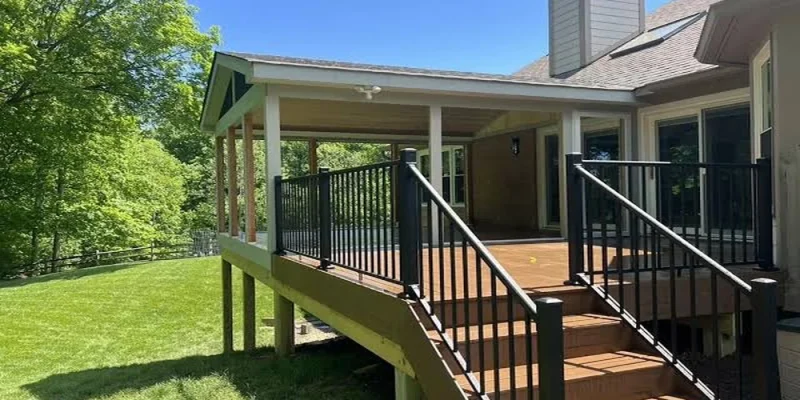
Drive any lake road around Skidway Lake or out toward Rose City in late April and you can pick out two kinds of decks. One still sits level, its railing firm under a leaning elbow. The other has a stair that no longer meets the landing, a post that tilts a few degrees toward the yard, and a dark stain running down the house siding beneath it. The difference rarely comes down to the lumber yard or the price. It comes down to whether the builder pictured the deck in July, full of people and grills, or in February, buried in snow with the ground frozen solid underneath.
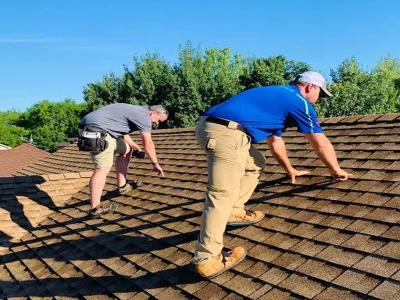
That February view is the one worth paying for. With an office on M-76 in West Branch, the crew behind bestvalueroofingco.com works as an Ogemaw County deck builder that also handles the roof, siding and gutters sitting right above most decks, which matters more than people expect when snow and meltwater start coming off the eaves. Their deck work runs from new builds to the less glamorous jobs of replacing rotted boards, firming up loose railings, reinforcing posts and correcting ledger connections, and the estimates are free.
Shallow Holes Look Fine Until the Ground Freezes
The July deck sits on footings dug just deep enough to feel solid. The February deck sits on footings that go below the frost line, which across most of Michigan means 42 inches. When wet soil freezes it expands and pushes upward on anything shallow, and when it thaws the post does not always settle back where it started.
Sandy soils common in parts of the county drain better and heave less than clay, but that is not a reason to cut corners on depth. A deck attached to a house with full frost footings needs its own footings to move the same way the house does, which is to say not at all. Freestanding platforms close to grade sometimes get more flexibility, and that is a question for the county building department before anyone picks up a shovel.
The Board Bolted to Your House Carries a Promise
Most deck collapses start at the ledger, the board fastened along the house that holds one end of every joist. A summer-minded build nails it on, or fastens it to the siding, or skips the flashing because the caulk looks fine. Water then sneaks behind the ledger, rots the house rim joist where nobody can see it, and the connection weakens from the inside out.
The winter-minded version removes siding where the ledger goes, installs flashing that sheds water over the top edge and away from the wall, and uses through-bolts or structural screws on a pattern taken from the code tables rather than guesswork. Building codes now also call for hold-down hardware tying the deck back into the house framing so it cannot pull away sideways. Houses with hollow block foundations are a special case. As engineers at the American Wood Council point out, there is little reliable test data for hanging a ledger off empty concrete block, so the safer approach there is a deck carried on its own beam and posts.
Snow Never Reads the Span Tables
Standard deck framing guides size joists and beams around a 40 pound per square foot live load. That figure also covers an evenly spread snow load reasonably well, provided snow is not sliding or drifting onto the deck. That last condition is where Northern Michigan decks get into trouble.
A deck tucked under a roof edge collects everything that slides off above it. Metal roofs shed their whole load in one afternoon, and a single slide can stack several feet of dense, wet snow on a narrow strip of decking. Builders who think about February either keep the deck out of the drop zone, add snow guards on the roof above, or beef up the framing where the load lands. Hot tubs are another load that sits well outside the standard tables and should come with an engineered design rather than an extra joist and a hopeful guess.
A Walk-Around After the Thaw
Whatever kind of deck you already own, the best time to judge it is the first dry weekend after the snow is gone. Work through it in this order.
- Sight down the outside edge of the deck from one corner. A dip or hump usually means a footing has moved.
- Look at the ledger from below for rust streaks, dark wood or soft spots where a screwdriver sinks in.
- Push hard on each railing post. Any movement at all is worth fixing before summer.
- Check the bottom of every post and the ends of joists, the two places water sits longest.
- Step on each stair tread and watch whether the stringers flex or the bottom step has sunk.
- Note boards that have cupped, split along the grain or lifted their fasteners.
Boards That Survive Freeze, Thaw and Sun
Framing lumber touching the ground or sitting close to it should be treated for ground contact, not just above-ground use, since posts and low joists rarely dry out in a wet spring. On the surface, pressure treated pine is the budget choice and needs staining and sealing every couple of years. Composite boards shrug off moisture and need little care, though they get hot in direct sun and usually require tighter joist spacing.
Fasteners deserve the same thought. Treated lumber eats ordinary steel, so coated or stainless hardware is the norm. Hidden clip systems give a clean look, yet face-fastened boards add stiffness that helps a deck resist sideways racking, which is why some builders use both.
Railings and Stairs Take the Hardest Hits
Any deck surface more than 30 inches above grade needs a guard, and that guard has to resist 200 pounds pushed in any direction at the top. A post held by a couple of screws through the rim joist will pass the wiggle test on day one and fail it by year three. Proper builds use blocking and tension hardware at each post. Stairs need consistent riser heights, solid bearing at the bottom so the stringers do not sink with frost, and a graspable handrail when there are four or more risers.
Permits Are Part of the February Thinking
In Ogemaw County, the county building department issues construction permits and handles inspections countywide, so a deck project normally means plans, a footing inspection before concrete goes in and a final once the guards are on. Zoning setbacks from property lines and lakeshores can apply on top of that, and those rules vary by township.
A deck is mostly an outdoor living room for a few warm months. The part of its life that decides how long it lasts happens when nobody is sitting on it at all.









Comments