
 By
By 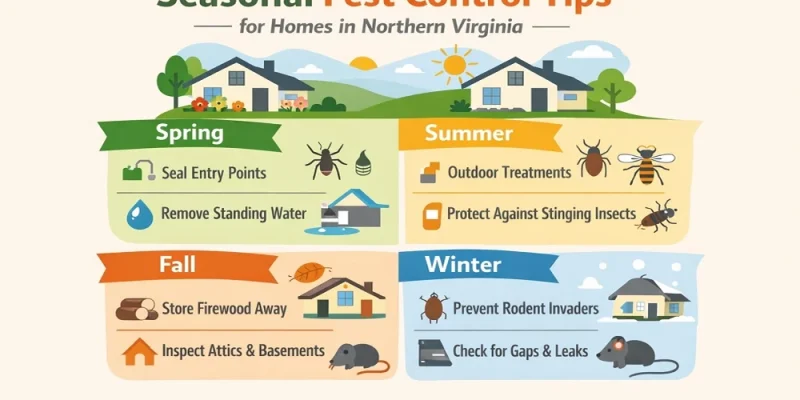
Key Takeaways
- Seal entry points to block pests from entering your home.
- Keep indoor and outdoor spaces clean to remove pest attractants.
- Manage moisture problems, as pests are drawn to water sources.
- Adjust your pest control plan as seasons and pest activity shift.
Homeowners in Northern Virginia know that pests are more than just a nuisance, as they can affect health, damage property, and upset the balance of daily life. Due to the region’s changing seasons and mix of rural and urban landscapes, adopting year-round pest prevention is essential. Effective pest management protects your home and improves the overall quality of life. For trusted advice and local expertise, Green Pest Services offers professional support tailored for families and homes in Northern Virginia.
With hot, humid summers and crisp winters, local conditions heavily influence pest activity here. Understanding how seasonal changes drive pest behavior makes it easier to plan defenses that keep your home secure. Whether you are surrounded by the wooded trails of Fairfax, the suburban neighborhoods of Arlington, or the historical corridors of Loudoun County, these tips will help you maintain a pest-free environment year-round. It is important to stay proactive. Adapting your pest control efforts throughout the year gives you an advantage over common invaders. The right approach is not just about eliminating current issues but about preventing future infestations. Below are proven strategies specific to the unique climate and pest pressures Northern Virginia faces. This guide walks you through seasonal tactics, ongoing maintenance routines, and what to do when professional help is needed, ensuring your home remains a haven through spring showers and winter chills alike.
Spring: Stop the Invasion Before It Starts
Spring’s mild weather and new growth invite pests such as ants, termites, and mosquitoes. In Northern Virginia, termite swarms are an annual threat as the soil warms. Take action early in the season to prevent property damage and discomfort:
- Seal Entry Points: Inspect window screens, door frames, and foundation cracks. Sealing these areas stops ants and spiders from sneaking indoors.
- Remove Standing Water: Mosquitoes thrive in puddles, clogged gutters, and wet landscaping. Eliminate stagnant water to make your yard less inviting.
- Schedule a Termite Inspection: Termites thrive in Virginia’s damp spring conditions. A preventive inspection can save thousands in repairs if caught early. Learn more about termite risks from the EPA’s termite guidelines.
Summer: Continue the Fight Against Common Pests
Summer warmth increases activity from most household pests, including flies, ants, and stinging insects. High humidity in Northern Virginia’s summers can drive even more bugs indoors as they seek shelter, food, and moisture:
- Keep the Kitchen Clean: Ants and cockroaches are drawn to crumbs and spills. Store food tightly and wipe down surfaces often.
- Manage Garbage: Use lidded bins and remove trash frequently to reduce odors and block access to food sources.
- Use Natural Repellents: Fragrant herbs such as mint and clove can deter a variety of insects. Place them near doorways and windows for extra protection.
Autumn: Prepare for Overwintering Pests
As trees change color and temperatures drop, pests seek warm indoor spaces to survive the winter. Northern Virginia homes, surrounded by woods or open fields, often see spikes in spider, stink bug, and rodent activity during autumn:
- Seal Gaps and Cracks: Small spaces around pipes, vents, and attic hatches become high-traffic entryways. Apply caulking or weather stripping.
- Remove Yard Debris: Rake leaves and trim plants near your home to eliminate hiding spots for insects and discourage rodents from creeping closer.
- Store Firewood Away from the House: Woodpiles are attractive to termites and ants. Keep stacks at least 20 feet away from your home’s foundation.
Winter: Keep Rodents and Invaders Out
The cold months drive mice and rats indoors, seeking warmth and food. Squirrels may find their way into attics or crawl spaces. Winterizing your home is important for protection:
- Check and Repair Entry Points: Inspect siding, utility points, and the roof. Use steel wool and caulk for extra resistance against gnawing rodents.
- Maintain Clean Spaces: Keep your kitchen clean, and store all food in pest-proof containers, including pet food.
- Watch for Infestation Signs: Gnaw marks and droppings are evidence of unwanted visitors. Prompt action stops small problems from escalating.
Year-Round Habits for a Pest-Free Home
Pest control is not just seasonal, but an all-year commitment. Forming good habits prepares you for peak periods and minimizes surprises:
- Inspect Your Home Regularly: Seasonal walk-throughs can uncover new pest entry points before they become problems.
- Store Food Well: Sealed containers keep out pantry pests and reduce the risk of infestations in kitchens and garages.
- Yard Maintenance: Tidy lawns and gardens deter ticks, mosquitoes, and rodents. Remove clutter and keep grass trimmed to minimize pest habitats.
When to Call a Professional
If pests persist despite these precautions, a certified pest control specialist can make a difference. Persistent infestations of ants, termites, or rodents often require targeted treatments and expert advice suited to Northern Virginia’s unique environment. Avoid waiting until problems grow. Early intervention protects your home, health, and peace of mind. Staying alert and updating your approach with each season will keep your Northern Virginia home pest-free year-round. Well-timed prevention, tailored maintenance, and quick responses to threats will give you lasting results and a safer, healthier home for your family and neighbors.
Conclusion
Keeping a Northern Virginia home pest-free requires a proactive, year-round approach that adapts to seasonal changes and local pest behaviors. By sealing entry points, maintaining cleanliness, controlling moisture, and consistently inspecting, homeowners can greatly reduce the risk of infestations. Simple preventive habits, combined with timely responses to early warning signs, help protect both property and family health. While seasonal strategies are effective for everyday prevention, professional pest control services can provide additional support when persistent or serious problems arise. By staying informed and adjusting your approach throughout the year, you can create a safer, healthier, and more comfortable living environment. With the right combination of prevention, maintenance, and expert assistance when needed, Northern Virginia homeowners can confidently enjoy their homes without the disruption caused by unwanted pests.






Comments