
 By
By 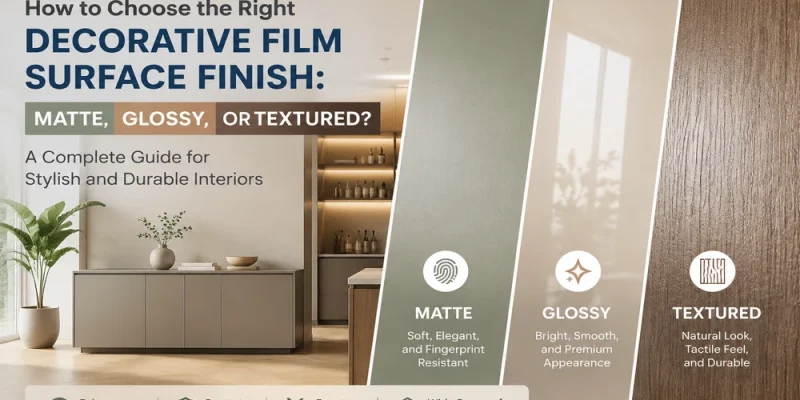
Decorative films have become an increasingly popular solution for modern interior design, furniture renovation, and architectural surface applications. They provide an affordable way to transform doors, walls, cabinets, panels, and furniture while offering a wide range of colors, patterns, and textures. However, choosing the right decorative film is not only about selecting a beautiful pattern – the surface finish also plays an important role in appearance, maintenance, durability, and overall design style.
Among the most common decorative film surface finishes are matte, glossy, and textured finishes. Each option creates a different visual effect and provides unique performance advantages. Understanding their differences can help homeowners, designers, and manufacturers choose the best decorative film for specific applications.
Understanding Decorative Film Surface Finishes
The surface finish of an interior decorative film refers to the final treatment applied to the film surface that determines its appearance, touch, light reflection, and practical performance.
While the base material, printing technology, and adhesive quality influence the overall performance of decorative films, the surface finish directly affects how the finished product looks and feels. A kitchen cabinet covered with a high-gloss film creates a completely different atmosphere compared with the same cabinet using a wood-grain textured film.
The three major categories include:
- Matte decorative film: Soft appearance with low light reflection
- Glossy decorative film: Smooth and reflective surface with a premium shine
- Textured decorative film: Embossed surface that imitates natural materials and adds tactile depth
Matte Decorative Film: Elegant, Modern, and Easy to Maintain
Matte PVC film has a smooth surface with minimal reflection. Instead of creating a shiny appearance, it produces a soft and sophisticated visual effect that is widely used in contemporary interior design.
One of the biggest advantages of matte finishes is their ability to hide fingerprints, dust, and minor surface imperfections. This makes matte decorative films especially suitable for frequently touched areas such as:
- Kitchen cabinets
- Wardrobes
- Interior doors
- Office furniture
- Wall panels
For example, matte black or matte gray decorative films can create a modern minimalist style, while matte wood grain finishes provide a natural and warm feeling without excessive gloss.
Another benefit is visual comfort. Because matte surfaces reduce glare from lighting, they are often preferred in residential spaces where a calm and relaxing atmosphere is desired.
However, matte finishes may appear slightly less vibrant than glossy finishes because they absorb more light. If the design goal is to create a bright, luxurious, or high-end appearance, other finishes may provide better results.
Glossy Decorative Film: Bright, Stylish, and Premium
Glossy decorative film features a smooth, reflective surface that enhances color depth and creates a polished appearance. It is commonly chosen for modern interiors that require a sense of luxury and visual impact.
Glossy finishes are particularly popular for:
- High-end furniture
- Kitchen cabinets
- Retail displays
- Commercial interiors
- Decorative wall panels
The reflective surface helps make spaces appear brighter and larger by increasing light reflection. White glossy films, for example, can create a clean and spacious appearance in kitchens and small rooms.
Glossy decorative films are also effective for highlighting bold colors. Bright red, deep blue, metallic, and high-contrast designs often look more attractive with a glossy finish because the surface enhances color intensity.
However, glossy surfaces require more frequent cleaning because fingerprints, dust, and scratches are easier to notice. For areas with heavy daily use, selecting a high-quality glossy film with scratch-resistant surface treatment is recommended.
Textured Decorative Film: Natural Appearance and Premium Touch
Textured decorative film is designed to create both visual and tactile effects. Through embossing technology, manufacturers can reproduce the appearance and feeling of natural materials such as wood, stone, leather, fabric, and metal.
This finish is becoming increasingly popular because modern consumers want interiors that look natural while maintaining affordability and practicality.
Common applications include:
- Wood furniture renovation
- Door decoration
- Wall coverings
- Cabinet surfaces
- Hotel and commercial interiors
Wood grain textured films are a good example. They can reproduce the appearance of oak, walnut, ash, and other premium woods while avoiding the high cost and maintenance requirements of real wood materials.
Textured finishes also provide better resistance against visible scratches and daily wear because surface patterns can help conceal minor damage. For high-traffic environments such as hotels, offices, and public buildings, textured decorative films are often an excellent choice.
The main consideration is that textured surfaces may require slightly more effort during cleaning because dust can collect in deeper patterns.
How to Choose the Right Finish for Different Applications
Choosing between matte, glossy, and textured decorative films depends on several factors, including design style, usage environment, maintenance requirements, and durability expectations.
1. Consider the Interior Design Style
Different finishes create different design impressions:
- Modern minimalist style: Matte finishes are usually preferred because they create a clean and elegant appearance.
- Luxury contemporary style: Glossy finishes provide a premium and sophisticated look.
- Natural or Scandinavian style: Textured wood grain finishes create warmth and authenticity.
2. Consider the Usage Environment
For high-contact areas, matte or textured films are often more practical because they hide fingerprints and small marks better.
For decorative areas where appearance is the priority, glossy finishes can provide stronger visual impact.
3. Consider Maintenance Requirements
If easy cleaning is important, smooth matte and glossy films may be easier to wipe. However, glossy surfaces show dirt more clearly, while textured films may require more detailed cleaning.
4. Consider Durability Performance
A high-quality decorative film should not only look attractive but also provide long-term performance. Important factors include:
- Scratch resistance
- UV resistance
- Moisture resistance
- Adhesion strength
- Surface protection technology
For furniture and interior applications, selecting decorative films with protective coatings can significantly improve service life.
Combining Finishes for Creative Interior Design
Modern interior projects are no longer limited to using only one surface finish. Designers increasingly combine different finishes to create unique visual effects.
For example:
- Matte cabinets combined with glossy accent panels create contrast.
- Textured wood grain doors paired with smooth wall films add depth.
- Glossy decorative elements can highlight specific areas in commercial spaces.
By combining different finishes, designers can achieve both functional performance and attractive aesthetics.








Comments