
 By
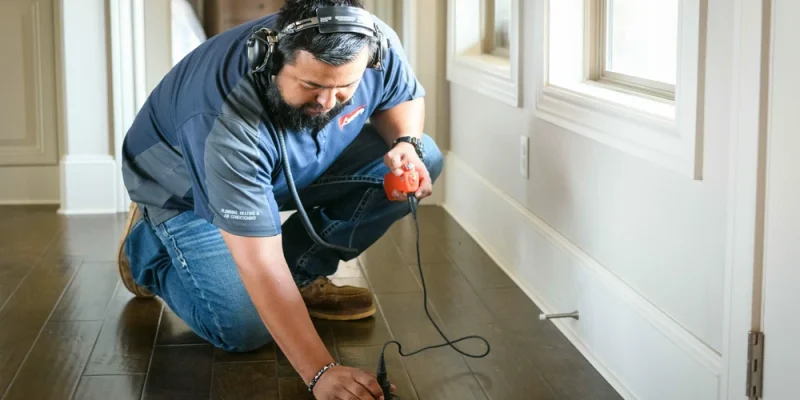
Most plumbing problems announce themselves. A burst pipe floods the floor, a clogged drain backs up, a dead water heater means a cold shower. A hidden leak is different. It does its damage quietly, inside walls, under slabs or in the tank behind your toilet, and the first sign is often a water bill that makes you look twice.
The good news is that you can run a simple investigation yourself before you call anyone. If it points to a real problem, a local team such as No BS Plumbing in Villa Rica, Georgia, lists leak detection and repair among its services and can take it from there. Here is how to gather the evidence.
Why Hidden Leaks Stay Hidden
Water that escapes inside a wall or below a floor has nowhere obvious to go. It soaks into framing, drywall or soil, so there is no puddle to notice. A leaking toilet flapper is even sneakier, because the water just slides from the tank into the bowl and down the drain with barely a sound.
That is why the water meter is such a useful witness. It counts every drop that enters the house, whether or not you meant to use it.
Let the Meter Do the Talking
The Regional Water Providers Consortium, a group of water suppliers in the Portland, Oregon area, explains the test on its household leak detection page. Begin by making sure no one is using water. Turn off faucets and appliances such as the dishwasher and washing machine. The meter is usually in a box set flush with the ground, often near the sidewalk at the edge of the lot.
Lift the cover and note where the sweep hand is pointing. Then wait. The page says to wait 20 to 30 minutes and check the sweep-hand location again. If it has moved while every tap was closed, water is going somewhere you did not intend. The page advises retesting to confirm before you start looking for the source.
The Little Red Diamond
Many meters have a second clue built in. The same page says that if the small red diamond-shaped indicator on the face of the meter is moving, you probably have a leak. It spins with very small flows that the main dial might not show right away, so it is worth watching for a minute or two before you give the all-clear.
Meter designs differ from one utility to the next, so if yours looks different, your water provider can tell you what the indicator on it means.
The Toilet Is the Usual Suspect
If the meter says there is a leak, start with the toilets. The consortium page describes a dye test: add a little food coloring to the tank, wait without flushing, and look at the bowl. If color appears in the bowl, you have a leak. Check every toilet in the house, because one quiet flapper can waste a surprising amount of water.
A worn flapper or flush valve is often a small, inexpensive repair. That is one reason the dye test is worth doing before assuming the worst.
Clues Around the House
The source pages for this article focus on the meter and the toilet. The following signs are general plumbing knowledge and are not from those pages, but they often point to a leak that the meter has already hinted at.
Look for a damp spot or discoloration on a ceiling or wall, a musty smell that lingers, paint or wallpaper that bubbles, warm patches on a floor, the sound of running water when everything is off, or water pressure that has dropped for no reason. Outdoors, a patch of lawn that stays soggy or greener than the rest, or a wet area near the meter, can suggest a problem in the line between the meter and the house.
Putting the Waste in Perspective
The same page quotes WaterSense, the EPA program, saying that 10 percent of homes have leaks that waste 90 gallons or more per day. Because the meter measures all water entering the house, a leak that nobody sees can still add up on the bill and, depending on where it is, cause damage to the structure.
When the Meter Keeps Moving
If you have ruled out the toilets and visible fixtures and the dial still moves with everything off, the leak is probably hidden in a pipe, an appliance connection or the service line. That is the point to stop guessing. Write down your meter readings and the time you took them, note which fixtures you have already checked, and give that record to a plumber. It saves time and helps them narrow the search.
About the Company Behind the Link
No BS Plumbing says on its website that it serves residential and commercial customers in the Northwest Georgia area, with an address in Villa Rica. Its listed services include drain cleaning, leak detection and repair, pipe repair and repiping, toilets, water heaters, sewer line repair and replacement and emergency plumbing. The site says it has more than 46 years in business, is available around the clock and avoids upsells, gimmicks and surprises. It does not state licenses or warranties.




Comments