
 By
By 
Many expensive plumbing problems start with everyday kitchen habits that seem harmless at the time. Pouring grease down the sink, rinsing coffee grounds, or running the disposal with the wrong items can slowly create blockages deep in the drain lines. Over months or years, these small actions build up until water drains slowly, backups appear, or pipes require major work. Understanding which habits create the most risk helps homeowners avoid unnecessary repair costs.
Simple changes in daily routines often prevent the kinds of clogs and damage that lead to emergency calls. When problems do develop beyond basic fixes, professional drain and sewer plumbing services can clear lines properly and identify deeper issues before they escalate. Paying attention to what goes down the kitchen sink remains one of the most effective ways to protect the plumbing system.
Pouring Grease and Cooking Oils Down the Drain
One of the most common causes of stubborn kitchen clogs is grease. When hot oil, butter, or pan drippings are poured down the sink, they flow easily at first. As the liquid cools inside the pipes, it solidifies and sticks to the walls. Over time, layers of grease narrow the pipe and trap food particles, creating a dense blockage that is difficult to remove with simple methods.
Even small amounts add up. Wiping pans with a paper towel before washing and collecting cooled grease in a disposable container prevents most of this buildup. Avoiding the sink entirely for cooking fats is one of the highest-impact habits for protecting kitchen drains.
Using the Garbage Disposal Incorrectly
Garbage disposals are convenient, but they are not designed to handle every type of food waste. Fibrous materials such as celery stalks, onion skins, corn husks, and potato peels can wrap around the blades or form stringy clogs farther down the line. Coffee grounds, eggshells, and starchy foods like rice or pasta often create paste-like blockages when mixed with water and grease.
Running plenty of cold water during and after disposal use helps move particles through the pipes. However, limiting what goes into the disposal in the first place reduces the risk of both mechanical problems and downstream clogs. When in doubt, placing questionable items in the trash is safer for the plumbing.
Rinsing Food Scraps and Coffee Grounds Directly into the Sink
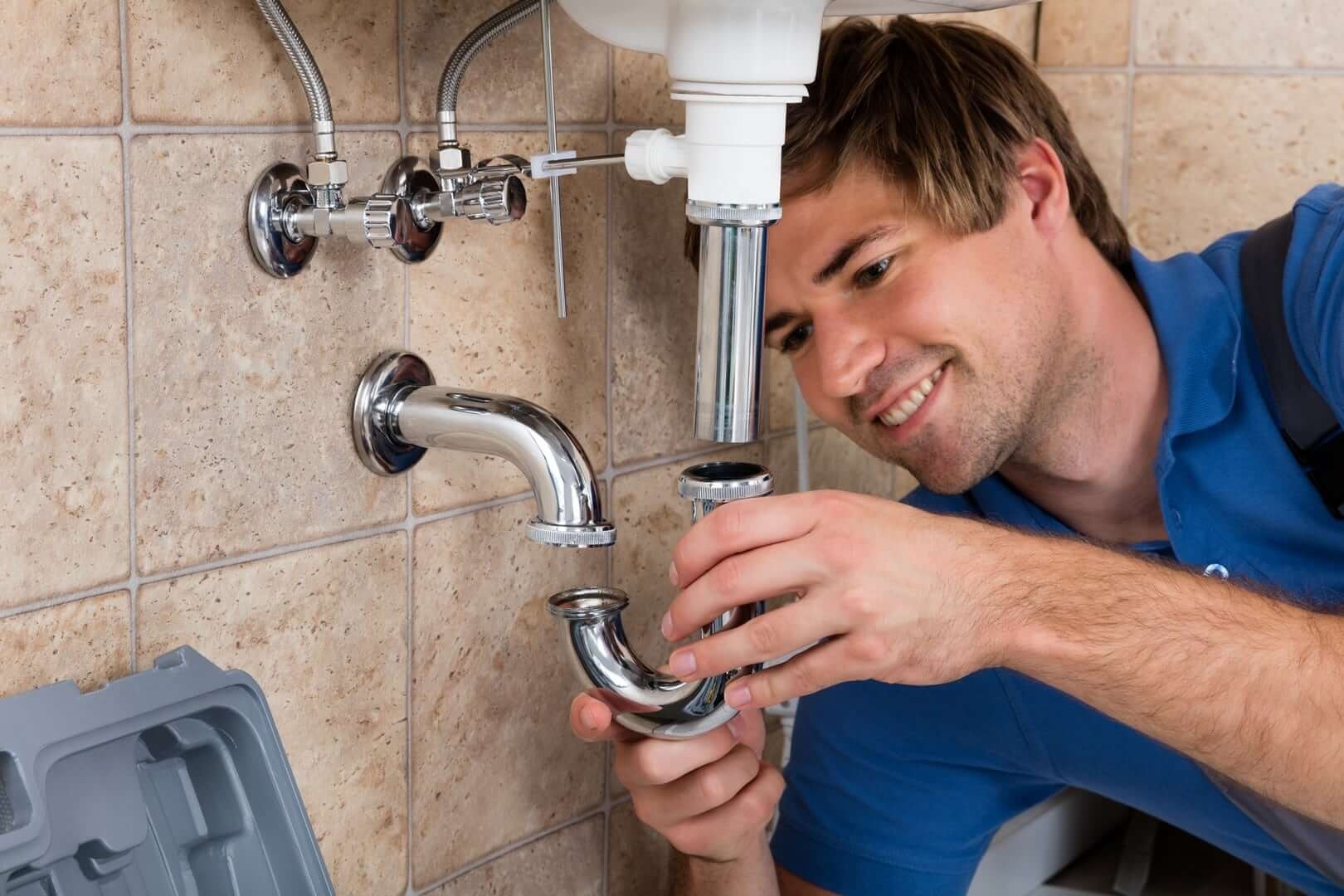
Many people rinse plates and coffee pots straight into the sink without using a strainer. Small food particles, coffee grounds, and tea leaves may seem insignificant, but they accumulate in the P-trap and beyond. Coffee grounds are especially problematic because they do not break down easily and can form dense, gritty clogs when combined with grease.
Using a simple sink strainer catches most of these materials before they enter the drain. Emptying the strainer into the trash regularly keeps the habit effective. This small step prevents a large percentage of common kitchen drain slowdowns.
Ignoring Slow Drains Until They Become Full Blockages
A sink that drains more slowly than usual is an early warning sign. Many homeowners continue using the sink normally, hoping the problem will resolve itself. In reality, the partial clog often worsens as more debris collects behind it. What begins as a minor inconvenience can turn into a complete backup that requires professional equipment to clear.
Addressing slow drains promptly by using a strainer more carefully, avoiding grease, or scheduling a cleaning usually costs far less than dealing with a full blockage later. Waiting until water stands in the sink or begins backing up into other fixtures increases both the difficulty and the expense of the repair.
Running Hot Water After Grease or Assuming It Prevents Problems
Some people believe that flushing grease with hot water keeps it moving through the pipes. While hot water may temporarily delay solidification, the grease still cools and hardens farther down the line, often in cooler sections of the drain or sewer. This can create blockages in harder-to-reach locations that are more expensive to access.
Cold water is generally better when using the disposal, and grease should still be kept out of the drain entirely. Relying on hot water as a solution often shifts the problem rather than eliminating it.
Overusing Chemical Drain Cleaners
When a clog appears, many households reach for chemical drain cleaners. These products can sometimes provide temporary relief, but they often fail to remove the full blockage and may damage older pipes. Repeated use can corrode metal pipes or harm PVC fittings over time. The chemicals can also create hazardous conditions for anyone who later needs to open the pipes for mechanical cleaning.
Mechanical methods such as drain snakes or hydro-jetting remove clogs more thoroughly without the same risk to the plumbing system. Reserving chemical cleaners for rare, minor situations or avoiding them altogether helps protect pipes from long-term damage.
Neglecting the Dishwasher and Its Connection to the Drain
Dishwashers share drain lines with the kitchen sink in most homes. Food particles, grease, and detergent residue can contribute to clogs in the shared section of pipe. Failing to scrape plates thoroughly before loading the dishwasher or ignoring a slow-draining dishwasher can allow problems to develop out of sight.
Regularly checking the dishwasher filter (on models that have one) and ensuring the drain hose is properly positioned reduces the chance of backups that affect both the dishwasher and the sink.
Building Better Kitchen Habits
Preventing expensive plumbing repairs starts with consistent daily practices. Keeping grease out of the sink, limiting disposal use to appropriate food scraps, using a strainer, and responding quickly to slow drains form the foundation of good kitchen plumbing care. These habits cost little to nothing yet can save hundreds or even thousands of dollars in avoided repairs.
When a clog or backup occurs despite good habits, professional evaluation helps determine whether the issue is localized or part of a larger drain or sewer line problem. Early intervention usually limits both the scope and the cost of the work required.
Final Thoughts
Many costly kitchen plumbing repairs begin with ordinary habits that allow grease, food particles, and other debris to build up inside drain lines. Avoiding grease down the sink, using the disposal carefully, catching food scraps with a strainer, and addressing slow drains promptly reduce the risk of major blockages. Chemical cleaners and delayed action often make problems more expensive to resolve. Consistent attention to what goes down the kitchen drain protects the plumbing system and helps homeowners avoid unexpected repair bills. Small daily choices remain one of the most effective ways to keep kitchen plumbing working reliably for years.








Comments