
 By
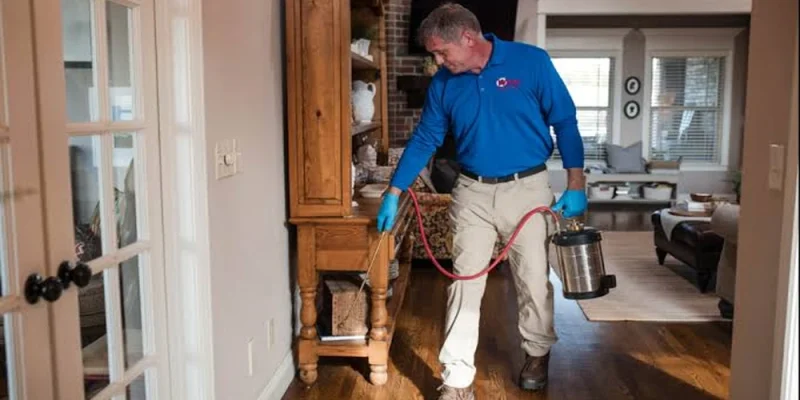
A thorough inspection finds the pests a homeowner cannot see and the conditions that invite them. A technician reads a house the way a pest does, checking the damp, dark, and hidden spots first. In Fayetteville, hilly lots, crawl spaces, and humid summers create plenty of those spots. Booking the best pest control in Fayetteville, AR before treatment ensures the plan matches what the home is dealing with.
What the Inspection Starts With Outside
The inspection begins at the perimeter because most pests come from the yard. The technician looks for wood and mulch touching the foundation, standing water, overgrown shrubs against the walls, and gaps where pipes and wires enter. Cracks in the foundation and worn door sweeps get noted as entry points. The exterior walk usually reveals the routes pests use before they ever get inside.
Reading the Crawl Space, Attic, and Foundation
Fayetteville’s hills mean many houses have crawl spaces or stepped foundations, where signs of pest activity can be easy to miss. The technician checks for moisture, mud tubes from termites, damaged wood, and droppings along the sills and joists. Attics show rodent trails, nesting material, and gaps at vents and the roofline. Palisade Pest Control documents what it finds in these spaces, so the treatment targets the actual problem instead of guessing.
The Conducive Conditions a Technician Flags
Part of the job is spotting the conditions that make a home attractive to pests. Common flags include:
- Moisture. Leaks, poor drainage, and damp crawl spaces draw termites, roaches, and silverfish.
- Wood-to-soil contact. Deck posts, fence lines, and siding that meet the ground give termites a direct path.
- Clutter and storage. Boxes against walls and stacked firewood give rodents and insects cover.
- Overgrown vegetation. Branches and shrubs touching the house let ants and spiders cross onto it.
Turning the Findings Into a Plan
The inspection ends with a written picture of the home’s weak points instead of a one-size spray. The technician matches each finding to a step, whether that means a termite barrier, sealing an entry point, or correcting moisture. A good inspection also sets a baseline, so later visits can tell whether activity is rising or holding flat. Homeowners come away knowing what they are dealing with and why each treatment made the list.
How Long an Inspection Takes and What to Expect
A full inspection of an average home takes 30 minutes to an hour, and longer for a larger house or a heavy problem. The technician needs access to the crawl space, attic, garage, and the area under sinks, so clearing a path to those spots helps the visit go faster. The walk covers the inside and the outside in one trip. At the end, the homeowner gets a plain description of what was found and where it was found.
Why the Crawl Space Matters So Much in Fayetteville
Many Fayetteville homes rest on crawl spaces because of the sloping Ozark terrain. These spaces stay cooler and damper than the living area, which draws termites, moisture pests, and rodents out of sight. A problem can build under the floor for months while the rooms above show nothing. The crawl-space part of the inspection often turns up trouble long before a homeowner would notice it.
A Thorough Inspection Versus a Quick Sales Call
Not every free inspection is a careful one. Some amount to a fast look and a push to sign a contract. A thorough inspection takes time, checks the hidden areas, and comes with notes a homeowner can read later. A technician who spends ten minutes and quotes a price without opening the crawl space has not inspected much. The difference shows in how specific the findings are.
What the Written Report Should Include
A good inspection ends with something a homeowner can hold onto. The report names the pests found, the spots they were active, and the conditions that invite them. It lists the recommended steps and separates the urgent ones from the items that can wait. Photos of the problem areas help, and they give a point of comparison for later visits. A report this clear lets a homeowner judge the plan instead of taking it on faith.
Why the Walk-Through Is Worth the Time
A careful inspection is the part of pest control that makes the rest work. In a Fayetteville home, where slopes, crawl spaces, and humidity hide so much, the walk-through earns the time it takes. The clearer the picture at the start, the fewer surprises a household meets later.


Comments