
 By
By 
A central air conditioning system is designed to keep your entire home comfortable, but uneven cooling can quickly become frustrating. If one room feels refreshingly cool while another stays warm and stuffy, your system is signalling that something isn’t working as it should. In many cases, the issue can be resolved without replacing the entire unit, especially when it’s identified early. If you’re already exploring options for maintaining your system, learning more about central AC repair West Palm Beach, FL can help you understand what professional service typically involves.
Uneven cooling isn’t just about comfort. It can increase energy bills, place unnecessary strain on your HVAC system, and shorten the lifespan of important components. Understanding the most common causes can help you identify the problem and decide whether it’s something you can address yourself or if it’s time to call an HVAC professional.
Why Does a Central AC Cool Some Rooms Better Than Others?
Several factors influence how evenly cool air is distributed throughout your home. Some problems are simple maintenance issues, while others require professional inspection.
The most common reasons include poor airflow, blocked vents, ductwork problems, thermostat placement, and aging HVAC equipment. In many homes, more than one factor contributes to uneven temperatures.
The good news is that identifying the underlying cause is often the first step toward restoring consistent comfort.
Dirty Air Filters Restrict Airflow
One of the simplest yet most overlooked causes of uneven cooling is a clogged air filter.
As dust and debris accumulate, airflow becomes restricted. Rooms located farther from the air handler often receive less conditioned air, making them noticeably warmer than rooms closer to the system.
Replacing the air filter every one to three months, depending on usage and household conditions, helps maintain proper airflow while improving indoor air quality and system efficiency.
Closed or Blocked Air Vents
It’s common for homeowners to close vents in unused rooms, believing it saves energy. In reality, this can disrupt the balance of airflow throughout the duct system.
Walk through your home and check that:
- Supply vents are fully open.
- Furniture isn’t blocking vents.
- Curtains or rugs aren’t covering registers.
- Return vents remain unobstructed.
Proper airflow depends on every part of the ventilation system working together.
Leaky or Damaged Ductwork
Your ductwork carries cooled air throughout the house. If ducts develop leaks, loose connections, or damaged insulation, conditioned air may escape before reaching certain rooms.
Signs of duct problems include:
- Rooms that stay consistently warmer than others
- Higher-than-normal utility bills
- Dust buildup around vents
- Weak airflow from certain registers
Professional duct inspection and sealing can significantly improve comfort while reducing wasted energy.
Thermostat Location Can Affect Cooling
Your thermostat measures indoor temperature and tells the system when to turn on or off.
If it’s installed near a sunny window, kitchen, or another naturally warmer area, it may incorrectly assume the entire house has reached the desired temperature. As a result, rooms farther away may never cool sufficiently.
In larger homes, zoning systems or smart thermostats can provide more accurate temperature control by monitoring multiple areas instead of relying on a single location.
Low Refrigerant Levels
Your air conditioner relies on refrigerant to absorb and remove heat from your home.
Low refrigerant levels often result from leaks rather than normal use. When refrigerant drops below the proper level, cooling performance declines, and some rooms may never reach the desired temperature.
Common warning signs include:
- Warm air coming from vents
- Ice forming on refrigerant lines
- Longer cooling cycles
- Reduced cooling throughout the house
Because refrigerant handling requires specialized equipment and certification, this issue should always be addressed by a qualified HVAC technician.
An Aging or Undersized HVAC System
Even a well-maintained central AC system has a limited lifespan.
As components wear over time, the system may struggle to deliver consistent airflow and cooling. Similarly, if the unit was originally sized incorrectly for the home, it may never cool every room evenly during periods of high outdoor temperatures.
If your system is more than 10-15 years old and requires frequent repairs, it may be worth discussing long-term solutions with an HVAC professional. Resources covering central AC repair West Palm Beach, FL services can also help homeowners understand whether repair or replacement is the more practical option for their situation.
Simple Troubleshooting Steps You Can Try First
Before scheduling service, there are a few basic checks you can safely perform.
- Replace the air filter if it’s dirty.
- Make sure all supply and return vents are open.
- Check that furniture isn’t blocking airflow.
- Verify the thermostat settings.
- Inspect visible ductwork for disconnected sections.
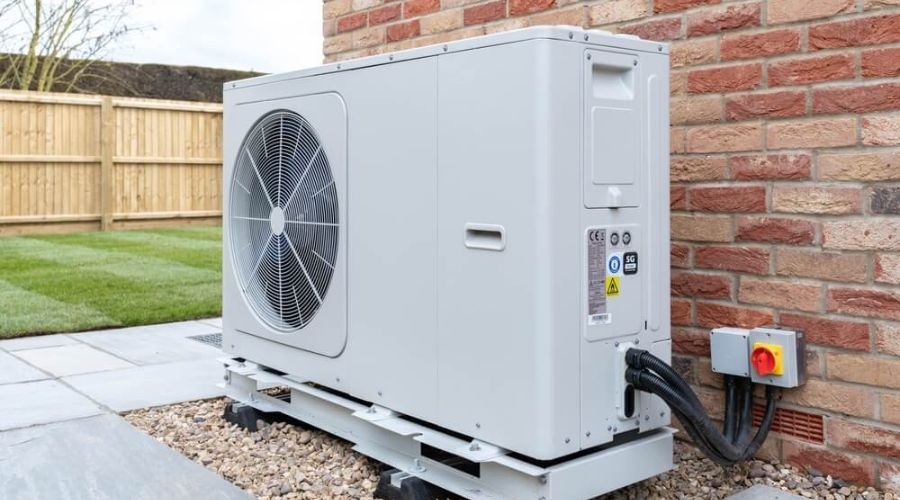
- Clear leaves, grass, and debris around the outdoor condenser unit.
These simple maintenance tasks often improve airflow and cooling performance without requiring major repairs.
When It’s Time to Call an HVAC Professional
Some cooling issues require diagnostic equipment and technical expertise.
Professional service is recommended if:
- One or more rooms remain consistently warm after basic troubleshooting.
- The system cycles on and off frequently.
- Airflow is weak throughout the house.
- Ice forms on indoor or outdoor components.
- The system makes unusual noises.
- Energy bills increase without explanation.
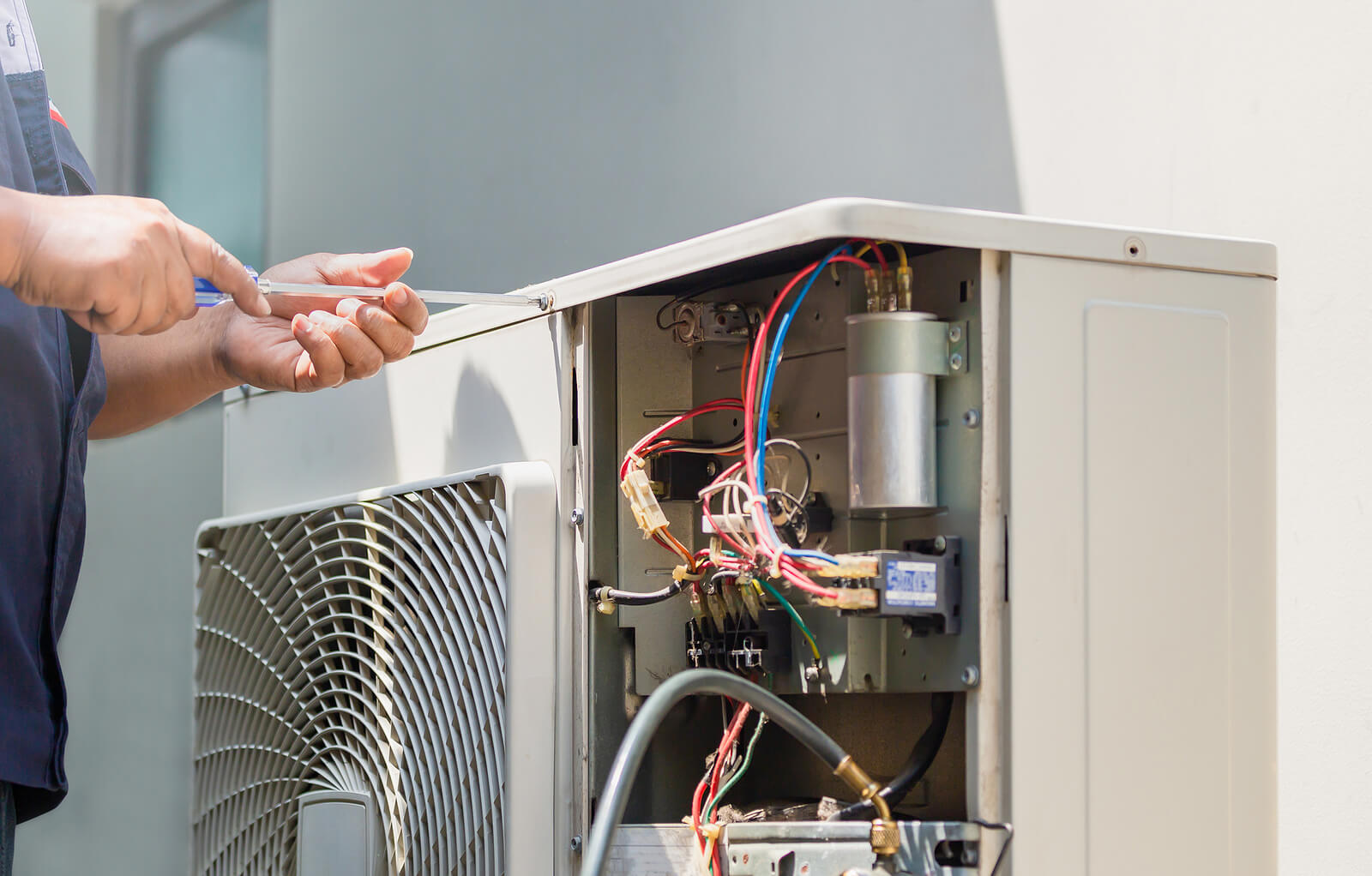
An experienced technician can inspect refrigerant levels, test airflow, evaluate duct performance, and identify failing components before they lead to more expensive repairs.
Preventing Uneven Cooling in the Future
Routine maintenance is the most effective way to prevent cooling problems before they become serious.
Annual HVAC inspections allow technicians to clean components, check refrigerant levels, inspect electrical connections, verify airflow, and identify small issues before they affect system performance.
Homeowners can also improve comfort by regularly replacing filters, keeping vents clear, and ensuring the outdoor unit has adequate airflow throughout the cooling season.
Conclusion
Uneven cooling is a common problem, but it rarely happens without a reason. Dirty filters, blocked vents, duct leaks, thermostat placement, refrigerant issues, and aging equipment can all affect how evenly your central AC cools your home. Fortunately, many of these problems can be identified early with routine maintenance and simple troubleshooting.
By paying attention to airflow, scheduling regular HVAC inspections, and addressing small issues before they grow, you can improve comfort, reduce energy waste, and help your central air conditioning system perform more efficiently for years to come.






Comments