
 By
By 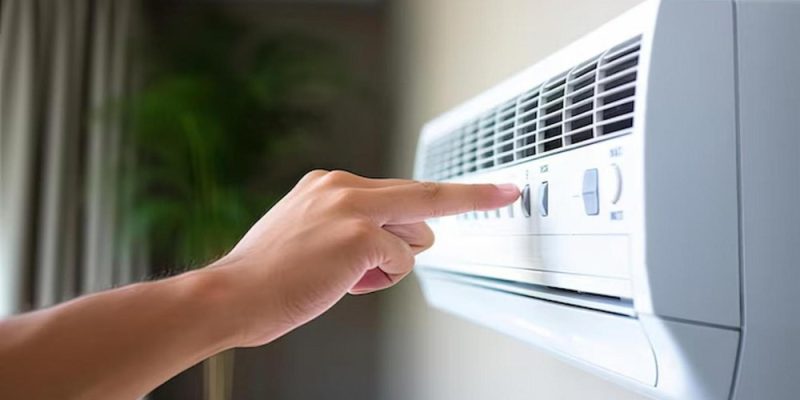
When summer temperatures rise, many homeowners notice the same frustrating pattern: the air conditioner runs constantly, rooms still feel uncomfortable, and monthly energy bills climb higher than expected. In many cases, the problem is not the system’s age alone. Everyday habits, neglected maintenance, and small airflow issues often reduce cooling performance far more than people realize.
The good news is that improving air conditioning efficiency does not always require expensive upgrades or complete system replacements. A few practical adjustments can help your AC cool more effectively, reduce strain on the equipment, and lower long-term operating costs. These simple changes can also improve indoor comfort while helping the system last longer.
Whether you own a newer high-efficiency unit or an older central air system, understanding how to optimize performance can make a noticeable difference throughout the cooling season.
Replace Air Filters Regularly
One of the simplest and most effective ways to improve cooling performance is to change the air filter consistently. Dirty filters restrict airflow, forcing the system to work harder to circulate cool air throughout the home.
Restricted airflow can create several problems, including:
- Uneven cooling between rooms
- Longer cooling cycles
- Increased energy consumption
- Extra strain on system components
- Reduced indoor air quality
Most HVAC professionals recommend checking filters monthly and replacing them every 1 to 3 months, depending on usage, pets, and indoor air conditions.
Among the most practical AC efficiency tips, regular filter replacement is one of the easiest ways to improve airflow and reduce unnecessary energy waste.
Keep Vents and Registers Clear
Blocked vents are another common issue that reduces AC efficiency. Furniture, rugs, curtains, or storage boxes placed over vents can prevent proper air circulation and create pressure imbalances inside the system.
Walk through the home and check that all supply and return vents remain fully open and unobstructed. Even partially blocked vents can affect airflow, forcing the air conditioner to run longer than necessary.
Proper airflow helps maintain consistent temperatures across the home while improving overall cooling efficiency. It also reduces unnecessary wear on the blower motor and other system components.
Small airflow improvements often produce surprisingly noticeable comfort benefits during hotter months.
Use a Programmable or Smart Thermostat
Thermostat settings directly affect both comfort and energy costs. Many homeowners unknowingly waste electricity by keeping temperatures lower than necessary throughout the day.
Programmable and smart thermostats help manage cooling schedules more efficiently by automatically adjusting temperatures when people are away or sleeping. Raising the thermostat by even a few degrees during unoccupied hours can significantly reduce energy usage over time.
Smart thermostats also provide detailed energy tracking, usage insights, and remote control through mobile apps. These features make it easier to identify cooling patterns and reduce unnecessary system operation.
Modern temperature controls are often among the most affordable upgrades to improve long-term AC efficiency.
Schedule Preventive HVAC Maintenance
Routine maintenance plays a major role in keeping air conditioning systems operating efficiently. Over time, dirt buildup, worn parts, and refrigerant issues can quietly reduce performance without causing immediate breakdowns.
Professional maintenance appointments typically include:
- Cleaning evaporator and condenser coils
- Checking refrigerant levels
- Inspecting electrical connections
- Lubricating moving components
- Testing airflow and thermostat accuracy
Annual tune-ups help identify small problems before they become expensive repairs. They also improve system reliability during peak summer heat when air conditioners work hardest.
Many homeowners seeking reliable AC efficiency tips overlook the value of preventive maintenance, even though it directly affects system lifespan, cooling performance, and operating costs.
Improve Home Insulation and Sealing
Even the most efficient air conditioning system will struggle if cool air constantly escapes from the home. Poor insulation and air leaks force the AC to run longer to maintain comfortable temperatures.
Common problem areas include:
- Windows and doors
- Attic spaces
- Ductwork leaks
- Poorly sealed wall openings
Simple weatherstripping and caulking can help reduce cooled-air loss while improving indoor comfort. Adding attic insulation may also significantly lower cooling demand, especially in warmer climates.
Reducing heat transfer helps the air conditioner maintain stable temperatures more efficiently while lowering monthly utility bills.
Keep the Outdoor Unit Clean
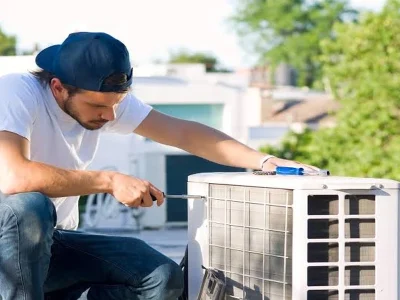
The outdoor condenser unit needs proper airflow to release heat effectively. Dirt, leaves, grass clippings, and debris surrounding the unit can restrict ventilation and reduce cooling performance.
Homeowners should regularly:
- Remove debris around the unit
- Trim nearby plants and shrubs
- Keep at least two feet of clearance around the system
- Gently clean visible dirt from the exterior fins
A clean condenser unit allows heat to dissipate more efficiently, helping the system cool the home with less strain and lower energy consumption.
However, deep cleaning or internal servicing should always be handled by a qualified HVAC technician to avoid accidental damage.
Reduce Indoor Heat Sources
Many everyday household activities generate unnecessary indoor heat, making the air conditioner work harder to maintain comfortable temperatures.
Common indoor heat sources include:
- Ovens and stovetops
- Incandescent lighting
- Clothes dryers
- Electronics running continuously
Using ceiling fans, cooking outdoors, switching to LED bulbs, and limiting the use of heat-producing appliances during the hottest part of the day can help reduce cooling demand.
Ceiling fans do not lower the room temperature directly, but they improve air circulation and help rooms feel cooler. This allows homeowners to raise thermostat settings slightly without sacrificing comfort.
Wrapping Up
Improving air conditioning performance does not always require major investments or complicated upgrades. In many homes, small maintenance habits and practical efficiency improvements can significantly reduce energy consumption while improving indoor comfort.
Simple steps such as replacing filters, improving airflow, sealing air leaks, scheduling maintenance, and using smarter thermostat settings all contribute to better cooling performance and lower utility bills. Over time, these adjustments also reduce wear on the system and help extend equipment lifespan.
For homeowners looking to stay comfortable during warmer months without overspending on energy costs, consistent maintenance and smarter cooling habits are among the most effective long-term solutions.






Comments