
 By
By 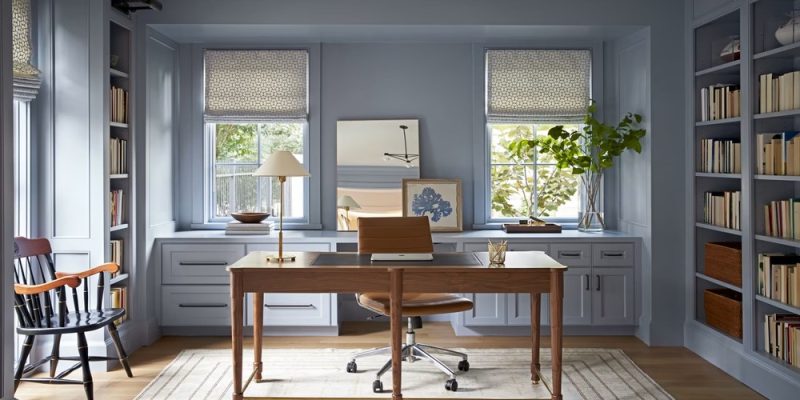
Most homeowners view their floor plan as a static backdrop to their lives. You move in, arrange the furniture, and adapt your habits to fit the walls. However, the physical environment acts as a silent regulator of your energy and focus. When a home layout is poorly optimized for the way you actually live, it creates “friction”-small, repetitive inconveniences that drain your mental bandwidth and erode your daily productivity.
If you find yourself feeling inexplicably exhausted by mid-afternoon or frustrated by a mounting pile of clutter, the problem may not be your time-management skills, but rather the architecture of your space.
The Friction Points of a Poor Layout
Productivity isn’t just about how you spend your time at a desk; it is about the seamless transition between tasks. When your home layout forces you to work against the natural flow of your day, you experience cognitive load.
The “Traffic Jam” Effect
Do you notice that certain areas of your home become bottlenecks? Perhaps the kitchen island is positioned in a way that blocks the path to the pantry, or the laundry room is located so far from the bedrooms that the chore becomes a major logistical event. These “traffic jams” create micro-stresses. While a thirty-second detour seems insignificant, doing it twenty times a day creates a subconscious sense of chaos and inefficiency.
The Conflict of Zones
In the modern era of remote work, the blurring of boundaries between “productive zones” and “relaxation zones” is a primary productivity killer. If your home office is a converted corner of the living room or, worse, a desk in the bedroom, your brain struggles to switch gears. When you can see your unmade bed or the television from your workspace, your mind is constantly pulled toward leisure, making deep focus nearly impossible to achieve.
Inadequate Lighting and Airflow
Physical discomfort is a silent productivity drain. Rooms that lack natural light or have poor ventilation can lead to lethargy and headaches. If you find yourself migrating to a different room just to “wake up” or feel alert, your current layout is failing to support your biological needs for alertness and mental clarity.
How to Audit Your Spatial Flow
Identifying these issues requires a shift in perspective. Instead of looking at your home as a collection of rooms, look at it as a series of workflows.
Track Your Movement
For one week, pay attention to where you spend the most time and where you feel the most frustration. Do you have to cross the entire house to get a glass of water while working? Do you spend ten minutes every morning hunting for keys because there is no designated “landing strip” near the entrance? These patterns reveal where the layout is fighting your natural rhythm.
Evaluate Your Storage Logic
Productivity is often a byproduct of organization. If your storage is centralized in one room (like a massive walk-in closet) but your activities are spread across the house, you spend a disproportionate amount of time transporting items. A productive layout places storage at the point of use. For example, if you enjoy morning coffee but your mugs are stored far from the machine, you’ve introduced unnecessary friction into your first task of the day.
Moving Toward a High-Performance Home
Once you recognize the signs of a layout that hinders you, the solution ranges from simple furniture rearrangement to structural changes. While a new rug or a better desk might help, deep-seated productivity issues usually require a professional eye to resolve.
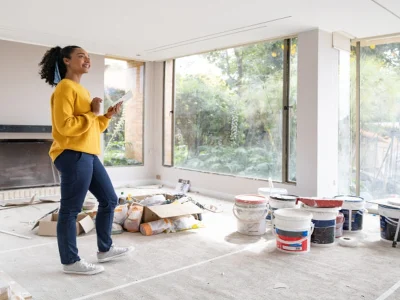
Architectural friction is often built into the bones of the house. Walls that divide a space too aggressively or a lack of dedicated utility zones can only be fixed through strategic planning. For those looking to renovate or build a space that actively supports a high-performance lifestyle, consulting with experienced architects St George can ensure that the new floor plan aligns with your specific daily habits. A professional can help you implement “zoning” concepts-separating the loud, active areas of the home from the quiet, focused areas-to ensure your environment works for you rather than against you.
The Long-Term Impact of Spatial Optimization
The goal of optimizing your home layout is to reduce the number of decisions you have to make regarding your physical environment. When your home is intuitive, you save your mental energy for the work and family interactions that actually matter.
By eliminating bottlenecks, creating clear boundaries between work and rest, and ensuring that your most-used tools are within reach, you transform your home from a source of stress into a tool for success. A well-designed home doesn’t just look better; it functions as a catalyst for a more disciplined and energized life.











Comments