
 By
By 
Have you ever stepped out onto a construction site and found yourself a little lost, looking at the plans? You are not alone. Most of us are confused between as-built drawings and record drawings, and, to tell the truth, they are cousins at first sight. But they are not the same. Not at all. The following is a simplistic, human approach, with some peculiarities, since real discourse is never flawless.
What Exactly Are As-Built Drawings?
By as built drawings we are simply referring to the actual version of a project. Not the ideal, dreamy design of the first, the real, a bit untidy, even improvised design that gets built. Expert service provider firms like PPMCO use advanced tools for the surveys and create accurate drawing of the actuals that help with planning renovations, maintenance, and future upgrades.
A few quick characteristics:
- Shows every on-site change
- Updated continuously during construction
- Often marked up by contractors
- Might look a bit rough or even scribbled in places
Record Drawings
Record drawings are the more refined, cleaned-up, professionally reviewed version of those rough as-built markups. Think of them as the “final chapter” of the building story.
A few things that stand out:
- Prepared by architects or design professionals
- Include verified details from both design plans and site changes
- Much more formal and “official.”
- Often used for permits, legal references, and long-term facility planning.
These drawings don’t just show what happened on the site. They show what is verified, cleaned up, and approved.
How Are They Different?
Let us break this down in a simple, slightly uneven rhythm because humans don’t always talk in perfectly balanced lists.

1. Who Creates Them – As-built drawings are created by contractors, site supervisors, and even foremen with pencil marks, while record drawings are created by architects/designers who reorganize and polish everything
2. Purpose – As-builts will capture the messy truth of construction, while record drawings will document the official end-product
3. Reliability – As-builts are useful, but sometimes incomplete; record drawings are consistent and dependable.
4. Level of Detail – As-builts drawings may include notes, arrows, and rapid sketches, whereas record drawings are organized, elaborated, and simpler to read in the future.
Why the Distinction Actually Matters
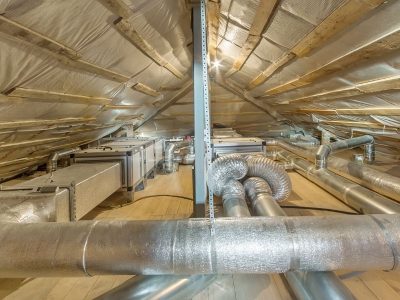
Imagine planning a renovation based on outdated as-builts. You cut into a wall expecting empty space, but instead find a chunk of ducting staring back at you.
That is why:
- Facility managers rely on record drawings
- Owners prefer having both sets when possible
- Renovation teams avoid surprises by reviewing the final record set.
A single error, a lost pipe position, a moved wall, and in a moment, budgets are stretched, schedules tilt, and headaches accrue.
Final Thoughts
As-built drawings and record drawings might seem synonymous, yet they serve completely different purposes. As-builts reflect reality at a moment. Record drawings portray reality in its end.
It may not seem much on paper, but on the ground, it may be the difference between a seamless flow and a sudden mess. Therefore, when dealing with a firm such as PPMCO, or even a new project yourself, it is worthwhile to decide upfront the type of documentation you actually require.









Comments