
 By
By 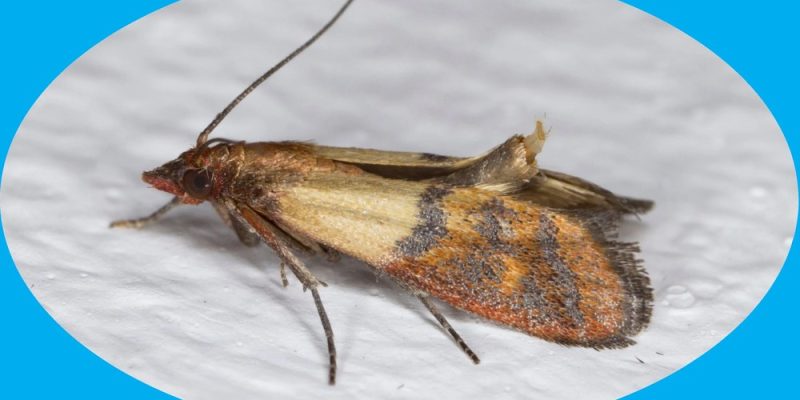
Pantry moth infestations are a common concern in Seattle households, especially in damp climates where food storage conditions can vary. These pests can quickly multiply and contaminate a wide range of dry goods, posing hygiene and health concerns. Resources like unitedpestsolutions.com highlight how quickly infestations can spread if left untreated.
Understanding the risks associated with pantry moths, including potential bacterial contamination such as salmonella, is essential. Taking early preventive steps can help protect both food quality and household health.
What Are Pantry Moths?
Pantry moths, often referred to as Indian meal moths, are small insects that infest stored food products. They are typically found in:
- Flour, rice, and grains
- Cereals and pasta
- Nuts, seeds, and dried fruits
- Pet food and birdseed
Adult moths lay eggs directly on or near food sources. Once hatched, larvae feed on the food, leaving behind webbing, droppings, and shed skins.
How Pantry Moths Contaminate Food
Pantry moth contamination goes beyond visible pests. Even if only a few moths are seen, the infestation may already be widespread.
Common contamination signs include:
- Fine webbing within food packaging
- Clumped or sticky grains
- Small larvae crawling inside containers
- Unpleasant odour or discolouration
Contaminated food is not safe to consume. The presence of larvae and insect waste can degrade food quality and introduce harmful microorganisms.
Salmonella Risk and Health Concerns
While pantry moths themselves are not direct carriers of Salmonella in the same way as rodents, their presence can contribute to unsanitary conditions that increase the risk of bacterial contamination.
Potential health risks include the following:
- Foodborne illness: Consuming contaminated food may lead to symptoms such as nausea, diarrhoea, and stomach cramps
- Allergic reactions: Some individuals may react to insect debris or waste
- Cross-contamination: Infested products can spread bacteria to other food items or kitchen surfaces
Salmonella thrives in environments where hygiene is compromised. Improperly stored or infested food can become a breeding ground for harmful bacteria.
Why Seattle Homes Are Vulnerable
Seattle’s climate plays a role in pantry moth infestations. Mild temperatures and higher humidity levels can create favorable conditions for pests.
Contributing factors include the following:
- Moisture buildup in storage areas
- Improperly sealed food containers
- Bulk purchasing without proper storage
- Limited ventilation in kitchens and pantries
Preventing Pantry Moth Infestations
Prevention is the most effective way to protect your food and home. Maintaining proper storage and hygiene practices can significantly reduce the risk.
Key prevention tips:
- Store dry goods in airtight glass or plastic containers
- Regularly inspect pantry items for signs of infestation
- Clean shelves and corners frequently
- Avoid mixing old and new food products
- Dispose of infested items immediately in sealed bags
Freezing newly purchased dry goods for 48 hours can also help eliminate any hidden eggs.
Steps to Take If Infestation Occurs
If pantry moths are already present, swift action is necessary to contain the problem.
Recommended steps:
- Remove and discard all infested food items
- Vacuum pantry shelves, cracks, and crevices thoroughly
- Wash storage areas with warm, soapy water
- Use pheromone traps to monitor and reduce adult moth populations
- Check nearby areas such as cupboards and storage bins
Avoid using chemical sprays near food storage areas, as they may introduce additional health risks.
Long-Term Food Safety Practices
Maintaining a pest-free pantry requires consistent habits. Even after eliminating an infestation, ongoing vigilance is essential.
Best practices include:
- Rotating food stock regularly
- Keeping pantry areas dry and well-ventilated
- Sealing food immediately after use
- Monitoring for early signs of pests
Safe food handling and storage not only prevent moth infestations but also reduce the risk of bacterial contamination such as Salmonella.
Takeaway
Pantry moths are more than just a nuisance; they can compromise food safety and contribute to potential health risks. In Seattle homes, where environmental conditions can support pest activity, proactive prevention and prompt action are key. By maintaining cleanliness and proper storage practices, households can effectively minimise contamination risks and ensure a safer kitchen environment.












Comments