
 By
By 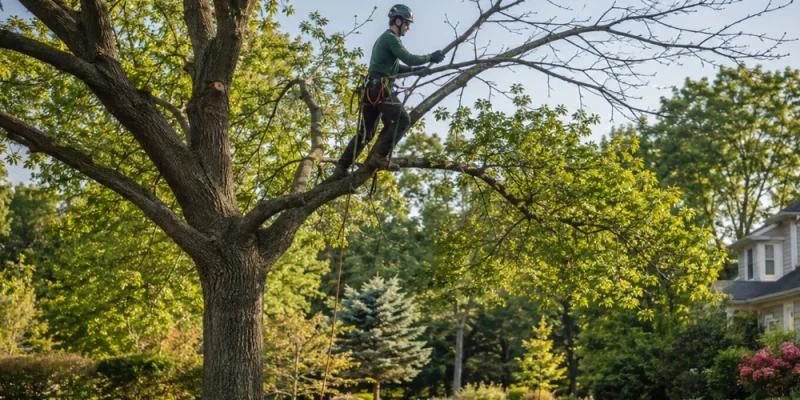
Mature trees add shade, character, and environmental value to a property. However, as trees age, some branches naturally decline and die. These branches-commonly called deadwood-no longer receive nutrients or produce leaves. Although a small amount of deadwood can be a normal part of a tree’s life cycle, it may eventually create safety and maintenance concerns.
Understanding when deadwood removal is necessary can help property owners protect people, buildings, and the long-term condition of mature trees.
When Deadwood Creates a Safety Hazard
Dead branches gradually become weaker as decay breaks down the wood. Eventually, they may fall during strong winds, heavy rain, or even calm weather. Deadwood located above homes, driveways, sidewalks, playgrounds, parking areas, or outdoor seating should therefore receive prompt attention.
Large dead limbs generally present a greater hazard because of their weight. However, smaller branches can also cause injuries or property damage when they fall from considerable heights. Removal should be prioritized when deadwood is positioned over areas where people regularly walk, work, or gather.
A hanging or partially broken branch requires especially urgent attention. These branches may have already separated from the tree and can fall without warning.
Signs That a Branch May Be Dead
A branch without leaves is not always dead. Some tree species leaf out later than others, while stress, insects, disease, or seasonal conditions can delay growth. A closer inspection may reveal several signs of deadwood, including:
- Brittle twigs that snap rather than bend
- Missing buds during the growing season
- Peeling or detached bark
- Cracks, cavities, or fungal growth
- A lack of green tissue beneath the bark
- Branches that remain bare while nearby limbs produce foliage
Because symptoms can vary by species and season, uncertain branches should be evaluated before pruning.
Should Deadwood Be Removed Immediately?
Deadwood removal should be scheduled promptly when a branch poses an immediate risk to people or property. Warning signs include freshly broken limbs, major cracks, hanging branches, or sudden dieback following a storm.
Less hazardous deadwood may not require emergency service, but it should still be monitored. Dead branches can deteriorate, become more difficult to remove safely, or provide entry points for certain pests and decay organisms. Routine inspections allow developing problems to be addressed before they become emergencies.
Some deadwood can also provide habitat for birds, insects, and other wildlife. In natural areas where falling branches will not threaten people or structures, retaining limited deadwood may offer ecological benefits. The appropriate decision depends on the tree’s location and the level of risk.
What Is the Best Time for Deadwood Removal?
Dead branches can usually be removed at any time of year, particularly when safety is the main concern. Winter can make deadwood easier to identify in some deciduous trees because the branch structure is more visible. During the growing season, however, comparing bare branches with healthy, leaf-covered growth may also simplify identification.
Timing may be affected by the tree species, local pest activity, weather, and the extent of pruning required. Removing excessive live growth along with deadwood can unnecessarily stress a mature tree, so pruning should remain focused and carefully planned.
Why Professional Assessment Matters
Deadwood removal in a mature tree can involve heavy limbs, unstable wood, climbing, ropes, and work near buildings or utility lines. Cutting a large branch incorrectly may damage the trunk, tear healthy bark, destabilize nearby limbs, or cause the branch to fall unpredictably.
A qualified tree-care professional can evaluate the branch structure, identify hazardous deadwood, and determine whether the dieback indicates a larger problem. Widespread dead branches may be associated with root damage, drought stress, soil compaction, disease, or structural decline.
Removing deadwood does not cure every underlying condition, but it can reduce avoidable hazards and improve access for further inspection. Regular assessments and careful pruning help mature trees remain safer, healthier, and more valuable parts of the landscape.
This post was written by a professional arborist at Arborist St Petersburg FL. Robert Miller is the owner of Arbor Wise Professional Tree Care, a locally owned and operated tree service company that offers superb lawn care by the most experienced Arborists. Arborwise Tree Services is a tree removal company that offers stump removal, tree pruning, stump grinding, fertilization, and tree restoration. We have an extraordinary lawn care industry notoriety covering the Pinellas county area.







Comments