
 By
By 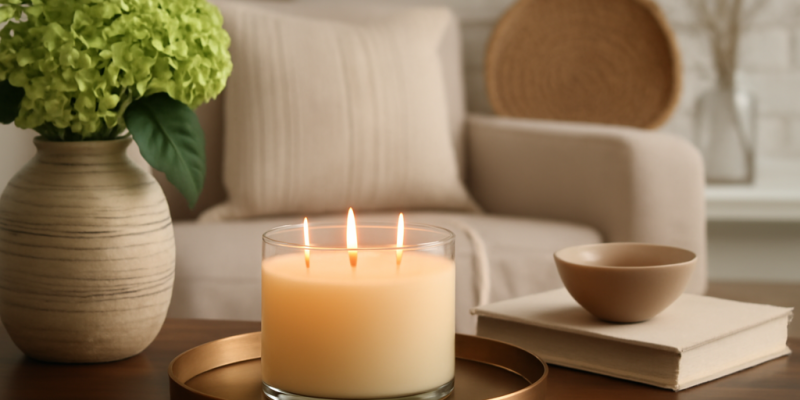
Candles often look like small extras in a room, but the quality you choose can quietly influence how your home feels, how clean the air stays, and how often you have to replace décor pieces. Maybe you wait for a big 3 wick candle sale or grab a few scented candles at the checkout. Either way, the real question is whether those candles are actually serving your home or just taking up space on a side table.
Below is a clear look at why investing in higher quality candles makes sense for home décor, and what trade offs you should keep in mind when you choose them.
Why candle quality matters for home décor
Candles do three jobs at once
- They add a visual accent with their color, shape, and vessel.
- They contribute scent and set the mood of a space.
- They create movement and warmth through the flame itself.
Low quality options often fail in at least one of these areas. The wax may tunnel and leave a ring of wasted product. The fragrance might smell sharp for the first hour and then vanish. The glass can look cheap or clash with the rest of the room.
A higher quality three wick candle or single pillar usually gives a more balanced experience. The flame is steady, the scent spreads evenly through the room, and the vessel looks like something you meant to display, not just a random jar. When you think of candles as part of your décor plan rather than last minute extras, you start to see why it is worth paying attention to quality.
What actually makes a candle high quality
Wax blend and burn performance
The wax blend is the base of everything. Common options include paraffin, soy, coconut, beeswax, and various blends. Each comes with pros and cons.
- Paraffin often gives a strong scent throw and clean sides on the glass if the formula is done well, but some people prefer to limit paraffin use because it is petroleum based.
- Soy and other plant based blends typically burn longer for the same volume and can feel like a more environmentally conscious choice, yet they sometimes need careful wick selection to prevent tunnelling.
- Beeswax has a natural warm color and mild honey scent but is usually more expensive and may not be ideal if you want bold perfume style fragrance in every room.
Better brands spend time on testing the blend so the candle burns down evenly and the surface stays level. Cheaper candles are more likely to leave deep holes, wasted wax on the sides, and visible soot.
Wick design and number of wicks
Wicks are not just pieces of string. Their thickness, material, and placement affect how the wax pool forms and how much fragrance is released.
A small jar may work well with one wick, but a larger diameter candle often needs more than one point of heat. This is where a triple wick candle has an advantage, since it can create a wide, even pool of melted wax that releases fragrance more steadily instead of just burning straight down the center.
Poor wick choice leads to two common problems. If the wick is too small, tunnelling occurs and much of the wax never melts. If it is too large, the flame can be too high, the glass overheats, and soot builds up. High quality candles usually list recommended burn times per session and show clean test results for the size of the flame.
Fragrance quality and balance
Fragrance is often the main reason people buy scent candles, but not all fragrance oils are equal. Good quality aromatic blends keep a clear character from the first burn to the last. They avoid harsh top notes that feel sharp in a small room and balance them with base notes that anchor the scent.
There is also the question of ingredients. Some buyers look for phthalate free formulas or prefer brands that publish basic safety and allergen information. That level of transparency is more common among higher quality makers than bargain bins.
Aesthetic impact and how better candles support decor
Candles are as visible as throw pillows or picture frames, yet they are often chosen with far less thought. Investing in better pieces gives you more control over how a room feels visually, not just how it smells.
A wide triple wick candle can act as a focal point on a coffee table or dining table, especially when the vessel material fits the rest of the décor. Frosted glass, matte ceramic, metal tins, or patterned bowls all send different signals. A minimal white jar can suit a calm, airy living room. Dark glass or stoneware can suit a more dramatic space.
Low quality candles often rely on loud labels, bright dyes, or flimsy glass. Once the wick is lit, the harsh color or shiny plastic lid can break the mood you are trying to build. By contrast, a candle with a well designed vessel can remain part of the décor even when it is not burning. Some can be reused for storage or small plants after the wax is gone, which makes them feel more like an object you selected on purpose rather than a temporary consumable.
Cost versus value when you step up in quality
At first glance, two jars can look similar but carry very different price tags. A higher quality candle may cost two or three times more, which can raise fair questions about value.
The first trade off is between upfront price and total burn time. A cheaper option that burns unevenly, tunnels quickly, or produces an overpowering scent you cannot stand for more than an hour is not truly a bargain. A more carefully tested candle that burns evenly from edge to edge, lasts many hours, and holds a pleasant scent until the end often gives better value, even if the shelf price is higher.
Another trade off is between variety and satisfaction. Buying a large number of low cost options might feel fun at first, yet you might only enjoy burning one or two of them. The rest sit unused because the fragrance feels artificial or the flame misbehaves. Investing in a smaller group of reliable aromatic candles that you know work well for your space usually brings more satisfaction and less waste.
Finally, sales and promotions matter, but they should not be the only factor. Stocking up during a good discount on a brand you trust can be smart. Filling a cabinet with untested low quality jars simply because the price tag looked low can leave you with drawers full of items you never finish.
Health and indoor air considerations
Any open flame indoors affects air quality, even when the candle is well made. That is why it helps to understand what influences soot, smoke, and potential irritants.
Wax type, wick material, fragrance composition, room size, and ventilation all play a role. Good quality brands usually design their products to burn with minimal visible soot when used according to instructions. They may specify ideal burn times, recommend trimming the wick, and publish basic information about their fragrance oils.
If anyone in the home is sensitive to fragrance, has asthma, or is prone to headaches, the quality of the aromatic blend matters even more. Heavier, synthetic smelling products can feel overwhelming in small bedrooms or home offices. Subtle blends, lighter scent levels, or unscented options may be better choices there. It can also help to rotate burn time and keep windows slightly open when possible.
Choosing better materials does not guarantee a completely neutral impact on air, but it reduces avoidable issues. Tunnelling and incomplete combustion, more common in very cheap candles, are often linked with extra soot and uneven burning.
Safety and everyday practicality
Safety is another reason to invest in better candles. A well designed wick in the right size pool of wax is less likely to flare, smoke heavily, or overheat the glass. Reputable brands test their containers for heat resistance and design them to handle the full burn of the candle.
Still, safety also depends on how you use the candle. Even a high quality three wick candle should never be left unattended. It needs a stable, heat resistant surface, away from curtains, books, and anything that can catch fire. Pets and small children add extra risk, which might push you toward flameless warmers or wax vessels in certain rooms.
Cheap containers made from thin glass or poorly finished ceramics may crack when the wax level gets low or when the flame burns too close to the base. Higher quality options typically allow space between the flame and the bottom, and the instructions will tell you to stop burning when a small amount of wax remains.
Here the trade off is between design drama and everyday calm. Oversized flames, unusual shapes, or very tall pillars may look impressive on a shelf, yet they can be harder to manage safely. Simple, wide based jars in solid holders may look less dramatic but are easier to handle and safer in busy households.
Matching candle choices to rooms and routines
Not every room needs the same type of candle. Thinking through how you use each space makes it easier to choose wisely.
In the living room, where people gather for longer stretches, a medium or large triple wick candle with a balanced, crowd friendly fragrance can work well. You want a scent that fills the space gradually, not something that feels sharp the moment it is lit.
In bedrooms, softer scent candles with calming notes like lavender, vanilla, or light herbs are usually better. Strong spice or heavy gourmand blends can become cloying in small spaces, especially before sleep. A smaller jar or single wick option is often enough.
Bathrooms can handle brighter, clean fragrances with citrus or watery notes, but the size of the room matters. A powerful three wick jar may be too much in a tiny bathroom, where a travel tin or small tumbler is more suitable.
Home offices and study spaces benefit from very gentle aromatic candles or even unscented pillars. You want your brain to stay focused, not distracted by dessert like scents drifting over your keyboard.
The key tension here is between consistency and variety. Having one reliable scent profile through the whole house gives a smooth, calm feeling as you walk from room to room. On the other hand, tailoring each space with a specific style of fragrance or vessel can make your home feel more personal. A balanced approach might be to pick one or two main scent families you love and vary them slightly by room while keeping vessel materials consistent.
Trade offs when choosing higher quality candles
Once you start paying attention to candle quality, several trade offs show up.
- Natural leaning waxes versus performance
Plant based wax blends often appeal to people who want more environmentally conscious choices, yet they may need more careful wick pairing and can sometimes have softer scent throw. Some brands solve this with blended formulas, which mix different wax types to balance performance and preferences. - Strong fragrance versus subtle presence
Bold aromatic candles can feel luxurious in short bursts but tiring if they are lit every evening. Very soft scents might feel underwhelming at first, yet they create a more comfortable backdrop for daily life. The right level depends on your rooms, your sensitivity, and how long you typically burn each candle. - Decorative vessels versus simple containers
Highly decorated jars, patterned bowls, or sculptural shapes look beautiful but can be harder to reuse or fit in different rooms if you change your décor over time. Plain, minimal vessels are easier to mix and match and can be repurposed more easily, though they may feel less exciting at the moment of purchase. - Budget for candles versus other décor items
Candles compete with throws, cushions, art, and small furniture for your décor budget. Spending more on a few reliable high quality candles might mean buying fewer new accessories, yet those candles can support the whole look of a space by adding motion, scent, and warmth.
Recognizing these trade offs keeps you from buying solely on impulse and helps you choose options that match your values, your routines, and your rooms.
Practical checklist when you shop for better candles
When you shop next time, use a simple mental checklist instead of just sniffing a lid and deciding on the spot.
Look at the wax description and see whether the brand shares basic details about the blend. Check the wick number and placement to see if it suits the jar size. Read any burn time estimates and compare them with the price so you have a rough idea of cost per hour.
Pay attention to vessel design. Picture where it will live in your home and whether the style fits at least two or three possible spots. That way, if you rearrange furniture or move, the candle still belongs.
Finally, think about how strong you want the fragrance to be and how long you plan to burn it in each session. A large triple wick candle that fills a living room quickly might be the right choice for evening guests but excessive for a small bedroom. Adjust size and scent strength accordingly.
Closing thoughts
High quality candles are more than small luxuries. They support the mood of your home, influence air quality, and contribute to how your décor reads to anyone who steps through the door. When you treat them like part of your design plan instead of last minute add ons, it becomes easier to justify a slightly higher spend on pieces that burn cleanly, smell balanced, and look as good unlit as they do in full glow.
The goal is not to fill every surface with jars, but to choose a few carefully made candles that match how you live, how you host, and how you like your home to feel at the end of the day.









Comments