
 By
By 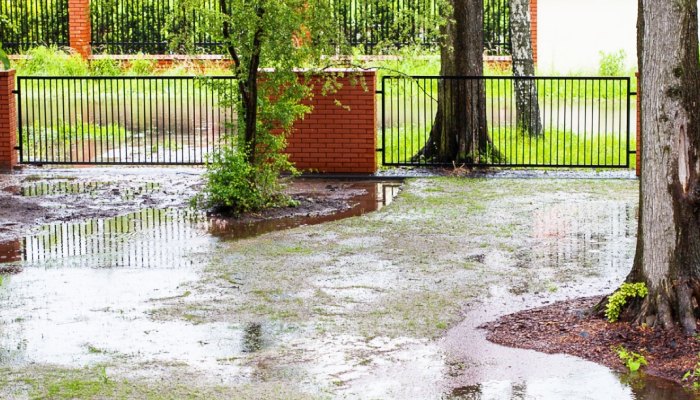
When homeowners talk about drainage problems, fencing is rarely mentioned. Attention usually turns to patios, lawns, or blocked gullies. After decades working as a fencing contractor across York, I have learned that boundary fences quietly influence how water moves through gardens and how healthy the soil remains over time. People search for fencing companies near me when panels rot or posts lean, but the underlying cause is often water behaving badly along the fence line. Many homeowners begin by reading York Fencing because they want practical explanations for problems that keep coming back.
Fences sit right at the edge of the garden ecosystem. They interact with soil, rainfall, planting, and ground levels. When fencing is installed without considering drainage and soil health, issues tend to develop slowly and persistently.
Why fences influence drainage more than expected
One thing I see often on local jobs is water collecting along the base of fences. After heavy rain, the ground remains soft near posts long after the rest of the garden dries out.
This is not coincidence. Fence lines often interrupt natural water flow. Solid gravel boards, compacted post holes, and poor ground preparation all change how water drains.
Over time, this affects both fence stability and soil condition.
How post holes alter soil structure
Digging post holes changes soil structure. Clay soil, common across York, compacts easily when wet. When posts are installed and backfilled poorly, the surrounding soil becomes denser than untouched ground.
This compacted soil drains poorly. Water pools around posts instead of soaking away. Timber remains wet. Roots nearby struggle.
I often see fences where posts rot from the bottom up because water has nowhere to go.
The impact of concrete on natural drainage
Concrete is essential for stability, but it alters drainage. A solid mass of concrete around a post can act as a barrier, forcing water to collect against timber or sit on the surface.
Without drainage consideration, concrete can trap moisture exactly where it causes the most damage.
On good installations, I include gravel at the base of post holes to allow water to escape downward. Older fences rarely include this detail.
How gravel boards affect water movement
Gravel boards protect panels from ground contact, but they also affect drainage. Solid gravel boards can hold water against the fence line if ground levels are wrong.
When installed too low or against poorly graded soil, water pools along the fence base. This keeps soil saturated and stresses posts.
Correct height and ground preparation allow gravel boards to protect fencing without harming drainage.
Why soil stays wetter near fence lines
Fence lines often receive less sunlight and airflow. Tall panels cast shade. Wind is blocked.
This slows evaporation. Soil remains damp for longer after rain. In clay ground, this creates persistent softness.
Homeowners notice this when posts loosen repeatedly or planting struggles along the boundary.
How poor drainage weakens fence posts
Waterlogged soil offers little resistance. Posts rely on firm ground to stay upright. When soil stays wet, posts move more easily.
I usually install posts at around 600mm to 750mm depth to reach more stable ground. Even so, poor drainage can undermine stability over time.
Repeated movement accelerates wear on fixings and rails.
The relationship between fencing and soil health
Soil health depends on structure, drainage, and oxygen. Compacted or waterlogged soil struggles to support healthy plant life.
Fencing that disrupts drainage can create dead zones along boundaries. Grass thins. Plants fail. Moss thrives.
These signs often appear before fence failure becomes obvious.
How fencing influences root systems
Roots grow toward moisture. When water collects along fence lines, roots concentrate there.
This can weaken posts further as roots disturb compacted soil. Over time, the fence and planting compete for space and stability.
I often see this where hedging or climbers are planted against poorly draining fences.
Why older fences cause long term soil issues
Older fencing installations often ignored drainage entirely. Posts were set shallow. Concrete was poured without gravel. Ground was left uneven.
Over decades, this creates long term soil problems. Areas remain wet. Compaction worsens. Replanting fails.
Replacing fencing without addressing these issues simply repeats the cycle.
How replacement offers a chance to improve drainage
Replacing a fence allows drainage issues to be corrected. Ground levels can be adjusted. Gravel added. Post depth increased.
This is one reason planned replacement often solves problems that repairs cannot.
Homeowners replacing fences frequently comment on how much drier the garden feels afterward.
Why fence repairs rarely fix drainage problems
Repairs focus on visible issues. A leaning post. A broken panel. They rarely address drainage.
Resetting a post without improving drainage usually leads to repeat movement. Water continues to collect. Soil remains weak.
Homeowners searching for fence repair near me often face the same issues again within a few seasons.
When repairs still make sense for drainage related issues
Repairs can help if drainage problems are minor and addressed directly. Improving ground levels. Adding gravel. Adjusting gravel boards.
Knowing when repairs are enough is key. Many homeowners review fence repairs information to understand whether drainage improvements can be made without full replacement.
How fence design affects drainage
Design choices influence drainage. Solid panels block airflow. Slatted designs allow wind and sun through.
Better airflow dries soil faster. This reduces saturation along the fence line.
Designs that allow light and air support healthier soil conditions.
The role of composite fencing in drainage considerations
Composite fencing does not rot, but it still relies on posts set in soil. Drainage remains critical.
Composite fencing cost reflects durability above ground, but poor drainage below ground still causes movement and alignment issues.
Even rot resistant materials need stable, well drained foundations.
Why garden slope matters at boundaries
Slope affects how water moves. Fence lines at the bottom of slopes often collect runoff.
Without proper planning, water pools along the fence base. Soil remains saturated. Posts suffer.
I often recommend minor regrading during fence replacement to redirect water away from boundaries.
How fences influence surface water flow
Fence lines can act like dams. Soil pushed up during installation alters surface flow.
Water that once spread evenly may now collect along the boundary. Over time, this creates wet strips.
Correct installation restores natural flow rather than interrupting it.
Why planting choices near fences matter
Planting affects drainage too. Dense planting traps moisture. Roots disturb soil.
Choosing plants that suit damp conditions or spacing planting away from posts helps maintain soil health.
Homeowners often overlook this interaction.
How fencing and drainage affect long term maintenance
Poor drainage increases maintenance. Posts rot faster. Panels degrade. Fixings corrode.
Improving drainage reduces maintenance demands and extends fence life.
This link between drainage and longevity is often underestimated.
Why modern fencing installations address soil health
Modern installations increasingly consider soil health. Deeper posts. Gravel drainage. Better ground preparation.
These steps support both fence stability and healthier soil.
Homeowners exploring garden fencing now often ask about drainage as part of the conversation.
How understanding drainage leads to better fencing decisions
Understanding how fences affect drainage helps homeowners choose better solutions. They avoid repeated problems. They improve garden health.
From decades working across York, it is clear that boundary fences do more than mark edges. They influence how water moves and how soil behaves. Homeowners who consider drainage and soil health when installing or replacing fencing end up with gardens that stay drier, fences that last longer, and boundaries that work with the land rather than against it.






Comments