
 By
By 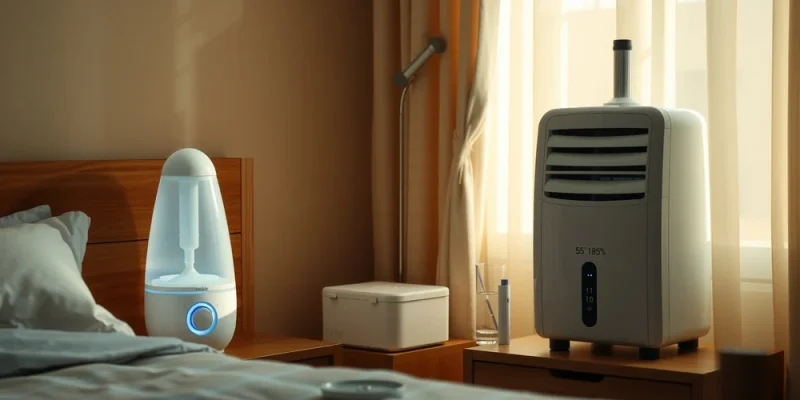
If a household is using a humidifier while considering a dehumidifier, both appliances belong in the same conversation. One adds moisture to the air and the other removes it. They may serve different circumstances, but an equipment enquiry that mentions only removal leaves out an important part of the situation.
Name the appliance that is adding water to the air
A portable humidifier can become such a familiar part of a room that nobody thinks to mention it. Someone refills it each evening, while another person notices dampness elsewhere and begins researching rentals. Each is responding to an ordinary concern, but neither may have considered how the two intended uses relate.
Health Canada’s information on cool-mist humidifiers explains that these appliances increase moisture in indoor air. It recommends measuring indoor humidity and following the manufacturer’s care directions. This provides a practical starting point: know that moisture is being added and assess conditions rather than relying only on a feeling that the air is dry.
Include installed humidification as well as portable equipment. A homeowner may know about a small room unit but be unfamiliar with the humidifier associated with the heating system. Ask the responsible HVAC professional about the installed arrangement and its controls if necessary. Do not change unfamiliar equipment merely because a second appliance is being considered.
The description should say where the humidifier operates, why it is used and what instructions govern it. Include whether use is occasional or routine; a unit sitting unused on a shelf is different from one refilled and operated daily. Avoid presenting it as the proven cause of a moisture concern. A building can have more than one moisture source, and a leak or other defect should not be dismissed because an appliance is also adding humidity.
Different rooms may have different aims
A lower-level dampness concern and a comfort complaint in another room are not necessarily the same problem. A single household can contain different conditions and uses. The point is to explain those differences, rather than automatically deciding that the two appliances must never coexist or that both should run without review.
For dehumidifier hire for a Markham home, describe the area requiring temporary control and the humidification already in use. Ask whether the proposed equipment suits the actual circumstances. The conversation is more informative when it includes the whole moisture-management arrangement, rather than a request based on one appliance’s display.
Separate measured conditions from personal comfort. Someone can accurately report an uncomfortable sensation without that sensation establishing the room’s humidity level or the cause of the discomfort. Use suitable measurements for the building question. If the concern involves symptoms or a medically advised routine, seek the relevant health professional’s guidance before changing that routine.
Do not choose an arbitrary compromise setting simply because two people prefer different numbers. The acceptable conditions may depend on the building, equipment and intended use. A qualified adviser can help interpret the situation where general household guidance does not resolve it, particularly if dampness persists or materials show signs of water damage.
Avoid correcting one setting with another machine
Adding a dehumidifier solely to counter an unexplained humidifier setting can leave the original decision untouched. First establish why moisture is being added and whether the current use remains appropriate. The answer might support a change, or it might reveal that a separate moisture problem needs attention. Either is more informative than letting the machines define the household’s approach by default.
This is especially relevant when routines continue after their original reason has passed. A portable unit might still be operating on a setting selected during a different season or occupancy pattern. Review the purpose and follow the appropriate instructions rather than assuming that a familiar routine must remain suitable indefinitely.
Make changes deliberately, with the responsible person’s agreement. If several controls are altered at once, later observations become difficult to interpret. Keep a simple account of what changed and when, and use the same relevant observation points when reviewing the result. This is ordinary clarity, not a requirement to turn the home into a laboratory.
For installed systems, use qualified HVAC advice when adjustment or service is needed. For a rental involved in a restoration project, coordinate with the person directing the drying work. A household decision about comfort should not silently change a professional treatment plan, and a restoration setting should not be assumed appropriate for ordinary long-term occupancy.
Carry the revised purpose into ordinary use
Once the roles are clear, make them understandable to the people who use the equipment. Someone refilling a portable reservoir should know whether its use has changed. Someone monitoring a temporary dehumidifier should know which area and condition it is intended to address. Otherwise, well-intended actions can restore the earlier arrangement without anyone noticing.
Care of the humidifier remains its own task. Health Canada emphasizes following the manufacturer’s cleaning and reservoir-care directions. A dehumidifier elsewhere in the home does not perform that maintenance. Keep the two responsibilities distinct even when the appliances form part of the same discussion about indoor conditions.
Review the situation again when the temporary rental ends or the relevant household circumstances change. The equipment’s removal does not automatically mean the earlier humidifier routine should resume, just as its arrival does not establish that all humidification is inappropriate. Let the reason for each appliance remain explicit.
A coherent household arrangement gives each device a purpose that can be explained in a sentence. If one is running mainly because the other is running, that is a reason to revisit the underlying choices. Knowing what adds moisture is part of deciding what, if anything, should be rented to remove it.









Comments