
 By
By 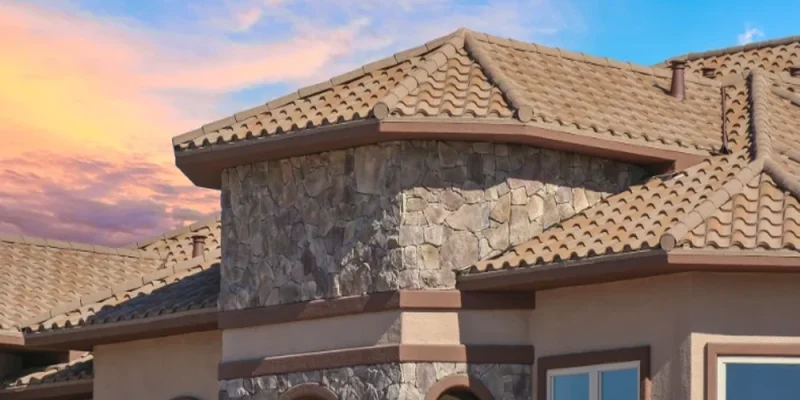
A roof in St. George does not live an easy life. It faces long stretches of direct sun, fast temperature swings, dry wind, monsoon downpours, and the occasional cold snap that surprises homeowners who moved to southern Utah expecting only heat. Those conditions make roofing decisions more important than they might be in a milder climate.
For homeowners and property owners, the roof is not just a finishing detail. It protects cooling efficiency, indoor comfort, resale value, and the structure underneath. A material that performs well in a cooler or wetter region may age faster in Washington County. A low bid that looks attractive in spring can become expensive after one intense summer.
Choosing the right roof in St. George means thinking beyond color and curb appeal. It means asking how the roof will handle heat, UV exposure, drainage, ventilation, and long-term maintenance.
Desert Heat Changes the Roofing Equation
St. George summers put roofing materials under sustained stress. Asphalt, metal, tile, sealants, underlayment, and flashing all expand in the heat and contract when temperatures drop at night. That movement repeats season after season.
Over time, weak materials or poor installation can lead to cracked sealants, lifted shingles, loose fasteners, warped components, and small openings where water can enter during storm season. The damage often starts quietly. A homeowner may not notice anything until a ceiling stain appears or an attic inspection shows moisture around a vent or valley.
Heat also affects the living space below. A poorly ventilated or heat-absorbing roof can make an air conditioner work harder during peak summer months. That may show up as higher utility bills, uneven room temperatures, or an HVAC system that runs constantly in July and August.
Color and Material Affect Indoor Comfort
In a desert climate, roof color has practical consequences. Darker materials absorb more heat, while lighter or reflective options can reduce heat gain. That does not mean every home needs a bright white roof. It does mean homeowners should consider how color, material, insulation, and attic ventilation work together.
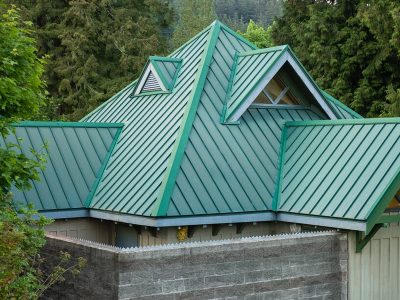
Concrete tile, clay tile, metal roofing, and architectural shingles can all be reasonable options when installed correctly. The right choice depends on the home’s structure, pitch, neighborhood style, budget, and expected ownership timeline. A rental property, a custom home near the red cliffs, and a commercial-style building may not need the same roofing system.
Monsoon Storms Reward Careful Installation
St. George is dry for much of the year, but that can make storm preparation even more important. When monsoon moisture arrives, rain can fall hard and fast. Roofs that seemed fine during months of dry weather may suddenly reveal weak points.
Drainage details matter. Valleys, gutters, roof penetrations, skylights, vents, and wall transitions need careful attention because water moves quickly during heavy rain. If debris blocks a drainage path or flashing was rushed, water can back up under roofing materials and enter the home.
Wind is another concern. Gusts can lift poorly secured shingles or expose edges already weakened by heat. Once wind creates an opening, even a brief storm can push water into places it should never reach.
This is where local experience becomes valuable. Homeowners comparing roofers St George should look for contractors who understand the area’s heat, seasonal storm patterns, building styles, and common failure points rather than treating the job like a generic roof replacement.
Small Roofing Choices Can Create Large Costs
Many roofing problems begin with small decisions. A cheaper underlayment may not hold up under prolonged heat. Inadequate attic ventilation may shorten shingle life. Reusing old flashing may save money during installation but raise the risk of leaks later. Skipping a detailed inspection can hide damaged decking until the problem grows.
The stake is not only the cost of the roof itself. Water intrusion can damage insulation, drywall, electrical components, flooring, and personal property. For rental owners, a leak can also mean tenant disruption and emergency repair costs. For homeowners planning to sell, visible roof problems can affect inspection reports and negotiation leverage.
A roof replacement or repair should be evaluated by total risk, not only the first invoice. Paying for proper materials, ventilation, flashing, and workmanship can prevent expensive surprises when the weather turns.
Maintenance Should Match the Season
St. George homeowners benefit from a simple seasonal rhythm. Spring is a good time to check for winter damage, loose components, and debris. Late summer is a smart time to prepare for heavy rain and wind. After a major storm, property owners should look for missing materials, clogged gutters, displaced flashing, and interior signs of moisture.
This does not mean climbing onto the roof after every weather event. Walking on tile or steep roofing can create damage or safety risks. But a visual check from the ground, attic awareness, and scheduled professional inspections can catch problems early.
The Right Roof Supports the Whole Home
A strong roofing system does more than keep rain out. It supports energy efficiency, protects structural materials, and helps the home perform better in a harsh climate. In St. George, where sun exposure and storm bursts both matter, roofing choices should be made with local conditions in mind.
For homeowners, the practical move is to ask better questions before approving a project. What material fits the climate? How will ventilation be handled? What underlayment is being used? Are flashing and drainage details included? What signs of heat or storm wear should be monitored over time?
A roof is easy to ignore when it is doing its job. But in the desert, neglect and shortcuts can become expensive quickly. Choosing materials, installation methods, and maintenance habits that fit St. George’s climate gives the home a better chance to stay comfortable, efficient, and protected year after year.







Comments