
 By
By 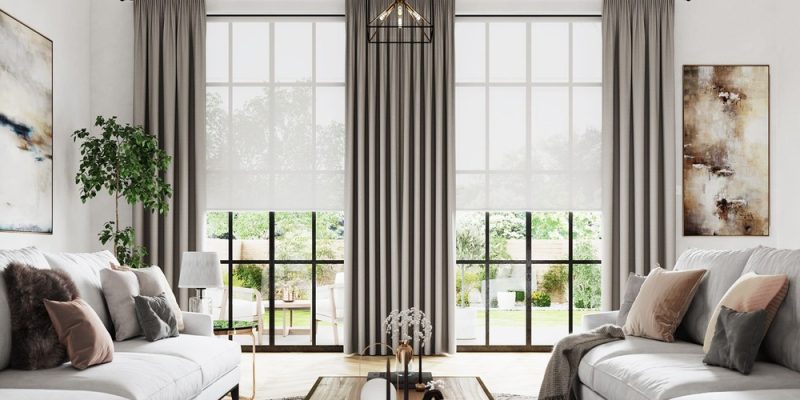
Valances have long carried a certain reputation-formal, ornate, occasionally dated. The kind of detail you associate with heavy drapery and traditional interiors. But dismiss them too quickly, and you miss their quiet potential.
In a modern setting, valances don’t need to feel decorative in the old-world sense. They can be sharp, minimal, and surprisingly architectural. Used well, they don’t overwhelm a window-they complete it.
The key is restraint, proportion, and a clear understanding of what role the valance is meant to play.
Rethinking the Valance
Strip away the excess, and a valance is simply a top treatment. A horizontal element that sits above your window, softening hardware, framing the upper edge, and bringing a sense of finish.
In modern interiors, this function becomes more important than ever. With cleaner lines and fewer layers, every detail is more visible. Curtain rods, tracks, mounting brackets-these can disrupt the visual flow if left exposed.
A well-designed valance hides these elements while introducing a subtle layer of texture or structure. It’s not about decoration. It’s about refinement.
Keep the Lines Clean
Modern design thrives on clarity. So when introducing a custom window valance, the silhouette matters.
Forget overly scalloped edges or excessive gathers. Instead, think:
- Flat, tailored panels
- Straight edges
- Boxy, architectural forms
A simple, structured custom window valance can echo the clean lines of the room, acting almost like a continuation of the wall rather than an added embellishment.
Even softer styles should feel controlled-gentle folds rather than dramatic swags.
Let Fabric Do the Work
In the absence of ornamentation, fabric becomes the defining feature.
A matte linen valance introduces quiet texture, softening a space without adding visual clutter. A slightly heavier cotton can give more structure, creating crisp lines that feel intentional and grounded. For a more elevated look, subtle weaves or tonal patterns can add depth without overwhelming the simplicity of the design.
This is where material choice becomes more important than colour. In a modern palette-often neutral, restrained, and cohesive-texture carries the visual interest.
Colour Should Feel Integrated
Valances in modern spaces rarely need to stand out.
Instead, they work best when they feel integrated into the room’s palette. This might mean matching the wall colour closely for a seamless look, or picking up a secondary tone from nearby elements-upholstery, rugs, or even artwork.
A tonal approach keeps the focus on form and proportion rather than contrast. It allows the valance to do its job quietly, without drawing unnecessary attention.
Pairing Valances With Other Treatments
Valances are rarely used alone in contemporary interiors. Their strength lies in how they complete a layered window.
They work particularly well with:
- Sheer or lightweight custom curtains, where the valance adds structure above fluid fabric
- Blinds or shades, where it conceals hardware and soften the top edge
- Minimal drapery setups, where it provides a finishing detail without adding bulk
In spaces where custom curtains are already doing most of the visual work, a valance can act as the final, considered touch-bringing everything together into a cohesive composition.
Proportion Is Everything
A valance that is too deep can quickly overwhelm a modern window. One that is too shallow can feel insignificant.
The goal is balance.
In most cases, a slimmer profile works better-just enough to cover hardware and create a clean visual line. The width should align precisely with the window or extend slightly beyond it, depending on the overall treatment.
This precision is what keeps the look modern. It feels designed, not added on.
Where Valances Shine in Modern Homes
While valances can work in many spaces, they are particularly effective in certain settings:
- Kitchens, where a full curtain might feel heavy, but a kitchen valance adds softness
- Bathrooms, where minimal treatments benefit from a finishing detail
- Living rooms with layered windows, which help unify multiple elements
- Bedrooms, where they can add a subtle sense of enclosure without bulk
In each case, the valance isn’t the star-it’s the element that makes everything else feel complete.
A Modern Alternative to Bulk
In rooms where you want structure without heaviness, valances can replace more traditional top treatments.
Instead of layering pelmets or heavy cornices, a clean, fabric valance offers a lighter solution. It maintains the architectural feel while keeping the space open and breathable.
When valances are paired with roman shades, the effect is particularly refined. The structured shade grounds the window, while the valance softens the upper edge-creating a balanced, modern composition that feels both functional and polished.
Avoiding the “Dated” Trap
The reason valances often feel outdated isn’t the concept itself-it’s the execution.
Overly decorative shapes, heavy fabrics, excessive detailing-these are what push a valance into the past. Strip those away, and what remains is something clean, useful, and surprisingly relevant.
Think less about tradition and more about intention.
Final Thought
In modern interiors, every element needs to justify its presence.
A valance, when done right, does exactly that. It refines, it conceals, it completes. It brings a sense of order to the window without adding weight or distraction.
It’s not there to be noticed immediately.
But take it away, and the room feels just slightly unfinished-like a sentence missing its final word.











Comments