
 By
By 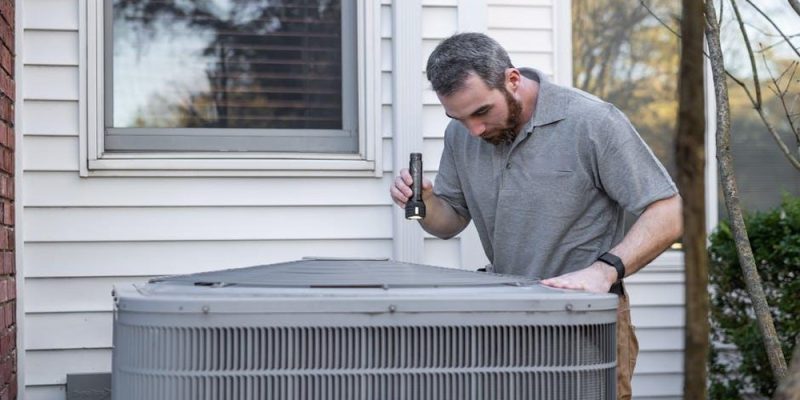
Critical System Upkeep: The Non-Negotiables
Beyond daily tidying, a home relies on several critical systems that demand regular attention. Neglecting these can lead to significant structural damage, safety hazards, and exorbitant repair costs down the line. Understanding their lifespans and recommended inspection frequencies is fundamental to proactive home management.
How Often to Inspect Critical Systems
HVAC Systems: Your heating, ventilation, and air conditioning (HVAC) system is the heart of your home’s comfort. Air conditioners typically last between 10 to 15 years, heat pumps around 16 years, and furnaces 15 to 20 years. To ensure these systems operate efficiently and reach their maximum lifespan, annual professional inspections are crucial. During these checks, technicians can identify potential issues before they escalate, clean components, and ensure all parts are functioning correctly. Key maintenance tasks include cleaning evaporator and condenser coils, checking refrigerant levels, inspecting ductwork for leaks, and testing thermostat accuracy. Homeowners should also regularly replace furnace filters-at least once every three months, or more frequently if you have pets or allergies-to maintain air quality and system efficiency. A clogged filter forces the system to work harder, increasing energy consumption and wear on components.
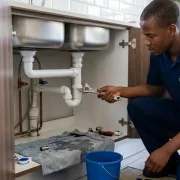
Plumbing Integrity: While copper wiring and pipes can last a lifetime, accessories and fixtures have shorter lifespans. Regular checks for leaks under sinks, around toilets, and near water heaters can prevent water damage and mold growth. Look for drips, water stains, or a musty smell. It’s also wise to test your main water shut-off valve annually to ensure it operates correctly in an emergency. Cleaning faucet aerators and showerheads every three to four months can prevent mineral buildup and maintain water pressure. For your water heater, flushing it annually helps remove sediment that can cause corrosion and reduce efficiency. Check the pressure relief valve and the anode rod, which is a crucial component that prevents the tank from rusting from the inside out.
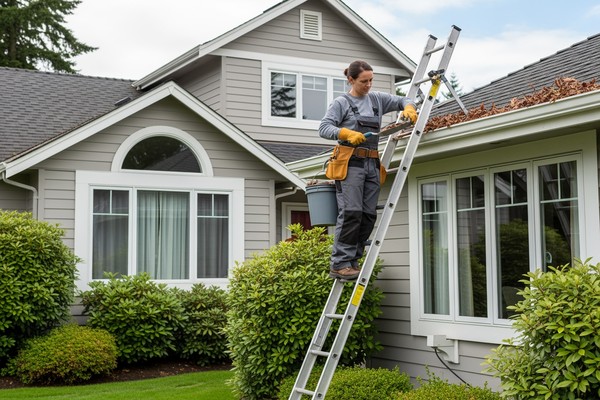
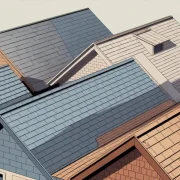
Roofing and Gutters: A home’s roof is its primary shield against the elements, with materials lasting about 20 years on average, though this varies by material (asphalt shingles, metal, tile, etc.). A qualified roofer should inspect your roof every three years to check for curling, buckling, or missing shingles, as well as any signs of water damage or compromised flashing around chimneys, vents, and skylights. After major storms, it’s wise to do a visual inspection from the ground with binoculars. Gutters and downspouts, which direct water away from your foundation, need to be cleaned at least twice a year-typically in late spring and late autumn-to prevent clogs from leaves, twigs, and other debris. Clogged gutters can lead to water overflowing and damaging the roof, siding, and even the foundation.
Foundation Health: The foundation is your home’s bedrock. Poured and concrete block foundations, if properly built, can last a lifetime. However, it’s normal for tiny hairline cracks (around 1/16 inch) to appear in the first few years after construction due to settling. More significant cracks, especially horizontal ones or those at a 45-degree angle, can indicate serious structural movement and warrant immediate professional attention. Regularly inspecting the interior and exterior of your foundation is crucial. Look for cracks, bulging, or areas where the foundation seems to be shifting. Ensure the ground around your foundation slopes away from the house to prevent water from pooling and creating hydrostatic pressure against the walls. For a detailed guide on maintaining various home components, consider consulting resources like the Guide to Routine Home Maintenance.
Garage Door Systems: Often overlooked, the garage door is typically the largest and heaviest moving object in a home. Regular Garage door home maintenance is essential for safety and functionality. On a monthly basis, homeowners should visually inspect the springs, cables, rollers, and pulleys for signs of wear and tear. Annually, it’s important to lubricate all moving parts, check the door’s balance, and test the auto-reverse safety features. To test the balance, disconnect the opener and manually lift the door halfway; it should stay in place. To test the safety reversal, place a 2×4 board flat on the ground in the door’s path. When the door touches the board, it should immediately reverse. If it fails either of these tests, it’s time to call a professional, as working with high-tension springs can be extremely dangerous.
Signs You Need Professional Home Maintenance Services
While some issues are visible, others are more subtle. Recognizing the signs that indicate a need for professional intervention can save you from costly repairs and potential hazards.
- Water Stains or Discoloration: Stains on ceilings, walls, or floors often point to a leak in the roof, plumbing, or a compromised seal around windows. These require prompt investigation by a professional to prevent further damage and mold growth. Even a small, slow leak can lead to significant structural rot and health issues over time.
- Foundation Cracks: As mentioned, while small hairline cracks can be normal, larger, spreading, or horizontal cracks are serious indicators of foundation problems. A structural engineer or foundation specialist should assess these immediately.
- Uneven Temperatures or High Energy Bills: If certain rooms are consistently hotter or colder than others, or if your energy bills suddenly spike without a change in usage, your HVAC system may be struggling. This could be due to duct leaks, an inefficient unit, or a malfunctioning thermostat, all of which benefit from professional diagnosis. Poor insulation or air leaks around windows and doors can also be culprits.
- Flickering Lights or Tripping Breakers: These electrical issues can signify overloaded circuits, faulty wiring, or a problem with your electrical panel. Because of the significant fire risk associated with electrical problems, you should never attempt DIY electrical repairs unless you are a qualified professional. Always call a licensed electrician.
- Peeling Paint or Sagging Drywall: Peeling paint, especially on exterior surfaces, can indicate moisture intrusion from a leaking roof or siding. Sagging drywall often points to water damage from a leak above. Both warrant investigation to address the underlying cause before cosmetic repairs are made.
- Unusual Odors: Persistent musty smells can indicate mold or mildew, often linked to moisture issues in basements, crawl spaces, or behind walls. If you notice this smell in your carpets or upholstery, it could be a sign of deep-seated moisture and microbial growth that requires Specialized home cleaning to properly eradicate. Burning smells could signal dangerous electrical problems, and foul odors from drains might suggest plumbing blockages or sewer line issues. A rotten egg smell is a serious warning sign of a natural gas leak and requires immediate evacuation and a call to your gas company from a safe location.
A Homeowner’s Guide to Interior and Exterior Tasks
Maintaining a home involves a blend of tasks you can tackle yourself and those best left to professionals. A well-rounded approach ensures both the aesthetic appeal and structural integrity of your property. Knowing your limits is key; while DIY can save money, a botched job can lead to more expensive repairs and safety hazards. This guide provides a breakdown of common tasks, helping you decide when to roll up your sleeves and when to call in an expert.
Task Category Common DIY Tasks When to Call a Pro Frequency Interior Maintenance – Painting: Touching up scuffs, painting a single room.
– Caulking: Resealing tubs, showers, and sinks to prevent water damage.
– Fixtures: Replacing light bulbs, showerheads, or faucet aerators.
– Appliance Care: Cleaning refrigerator coils, dishwasher filters, and dryer vents. – Extensive Painting: Whole-house projects, high ceilings, or intricate trim work.
– Drywall Repair: Fixing large holes or water-damaged sections.
– Appliance Repair: Diagnosing and fixing mechanical or electrical failures. As needed / Annually Plumbing – Minor Clogs: Using a plunger or snake for simple sink or toilet clogs.
– Toilet Fixes: Replacing a flapper or fill valve.
– Insulating Pipes: Wrapping pipes in crawl spaces or basements to prevent freezing. – Persistent Clogs: Issues that affect multiple drains, indicating a main line blockage.
– Pipe Leaks: Any leak within a wall or under the foundation.
– Water Heater Installation/Repair: Involves gas or high-voltage electrical lines. As needed / Annually Electrical Systems – Safety Checks: Testing smoke and carbon monoxide detectors monthly and replacing batteries annually.
– Replacing Faceplates: Swapping out old or cracked outlet and switch covers. – Any Wiring: Installing new outlets, switches, or light fixtures.
– Circuit Breaker Issues: Breakers that trip frequently or a panel that feels warm.
– Upgrading Service: Increasing the amperage to your home. Monthly (Tests) / As needed Exterior Maintenance – Gutter Cleaning: Removing leaves and debris from gutters and downspouts.
– Siding & Deck Cleaning: Gentle washing with a hose or light power washing.
– Minor Landscaping: Mowing, weeding, and planting small shrubs or flowers. – Roof Repair: Replacing shingles or fixing flashing.
– Tree Removal: Especially for large trees near the house or power lines.
– Foundation Repair: Sealing major cracks or addressing structural issues. Seasonally HVAC System – Filter Replacement: Changing air filters every 1-3 months.
– Cleaning Vents: Vacuuming dust and debris from registers and return vents.
– Clearing Debris: Keeping the area around the outdoor condenser unit clear of plants and leaves. – Annual Tune-Up: Professional inspection and servicing of all components.
– Refrigerant Leaks: Requires specialized equipment and certification to handle refrigerants.
– Mechanical Failures: Any issue with the compressor, blower motor, or furnace ignitor. Quarterly (Filters) / Annually (Pro) A Deeper Look at Key Maintenance Areas
Landscaping and Drainage: Proper yard maintenance is more than just aesthetics; it’s crucial for protecting your home’s foundation. Ensure the soil grade slopes away from your house on all sides (at least 6 inches over 10 feet) to direct rainwater away. Keep tree branches trimmed back from the roofline to prevent damage from falling limbs and to stop pests from gaining easy access to your home. Regularly check that downspouts are directing water at least 3-5 feet away from the foundation.
Pest Control: A proactive approach to pest control can prevent infestations before they start. Regularly inspect your home’s exterior for cracks and holes where pests could enter, sealing them with caulk or steel wool. Keep firewood stored away from the house and ensure trash cans have tight-fitting lids. Inside, keep kitchen areas clean and free of crumbs, and fix any plumbing leaks promptly, as pests are attracted to water sources. While DIY traps and baits can handle minor issues, a widespread infestation of termites, rodents, or cockroaches requires professional extermination services.
Window and Door Upkeep: Your windows and doors are critical for security and energy efficiency. Periodically inspect the weatherstripping and caulking around them for signs of cracking or peeling. A simple DIY fix can be to re-caulk gaps to prevent drafts and water intrusion. Also, check that all locks and latches are functioning correctly. If you notice condensation between the panes of a double-paned window, it means the seal has failed, and the window unit will likely need to be replaced by a professional to restore its insulating properties.
A consistent maintenance schedule is the best defense against unexpected and costly home repairs. By understanding which tasks are within your ability and which require professional expertise, you can keep your home safe, efficient, and comfortable for years to come. For a deeper dive into comprehensive home care, exploring resources like The Homeowner’s Guide to Home Maintenance can provide valuable insights into managing these essential systems.







Comments