
 By
By 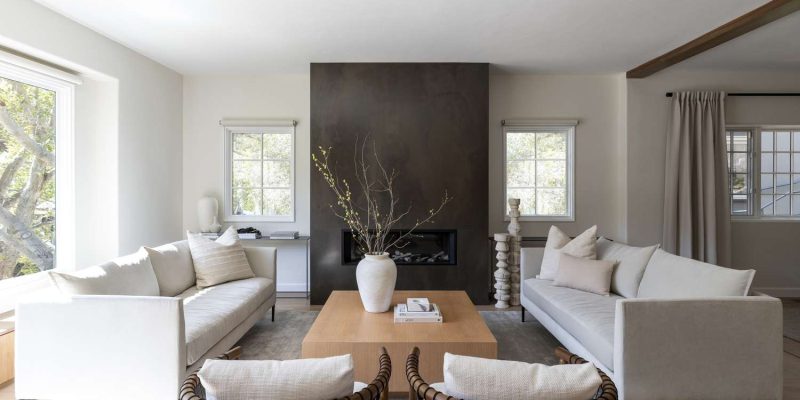
Minimalism is more than a trending aesthetic. It is a lifestyle shift toward clarity, calm, and intention. For the style conscious homeowner, a minimalist approach offers a chance to create a home that feels both polished and deeply personal. It encourages rooms that breathe, furniture that has purpose, and decor that supports rather than overwhelms. As more people discover the serenity that comes with light filled, uncluttered spaces, minimalist design continues to move from niche preference to lasting classic. Even browsing Coleman Furniture reviews can reveal how many homeowners now prioritize clean lines and simplicity over heavy ornamentation.
What draws so many to minimalist interiors is the sense of ease they bring. Walking into a room where every piece has been chosen thoughtfully allows the mind to settle. Natural light flows more freely when windows are unobstructed and surfaces are kept clear. Visual noise fades away as excess items are stored or donated. When your home is simplified, you gain the space to appreciate what remains. That sense of breathing room is often the first step toward a more peaceful daily routine.
A successful minimalist home does not have to feel stark or impersonal. The key is to curate rather than strip away. Begin by editing your belongings with gentle honesty. Keep what serves a purpose or sparks a warm feeling and let go of the rest. Once you have cleared space, focus on selecting furniture that combines style with practical function. Look for silhouettes that emphasize proportion and balance. Sofas with low profiles, sideboards with smooth uninterrupted surfaces, and tables with slender legs are all excellent foundations for a calm environment. These forms offer visual quiet, allowing the room’s architecture and natural textures to shine.
Color plays a subtle yet powerful role in minimalist design. Neutrals are timeless but they do not need to be flat. Soft whites, earthy taupes, and gentle grays create a soothing foundation. Layering these tones through textiles, rugs, and upholstery adds depth without losing the sense of openness. If you prefer a bit of contrast, consider adding touches of charcoal or muted terracotta to ground the palette. The key is maintaining harmony so that no single element disrupts the overall flow.
Texture is another vital component. Minimalist rooms can feel incredibly inviting when you introduce materials that carry warmth. Think of wool throws, linen cushions, woven baskets, and matte ceramic accents. These elements create tactile interest while staying true to the simplicity of the style. Wood is especially effective in softening minimalist interiors. Light oak or walnut finishes provide organic richness that keeps the home from feeling too sterile. Even one well placed wooden piece can shift the energy of a room and make it feel more grounded.
One of the most liberating aspects of minimalism is the attention it places on natural light. Consider how the sun moves through your home and arrange your furniture to enhance that path. Sheer window treatments or bare frames allow light to stretch across floors and walls, creating quiet moments throughout the day. Mirrors can amplify brightness by reflecting it deeper into the space. When light becomes a design feature, your rooms feel more alive without requiring additional accessories.
Storage design plays a crucial role in maintaining a minimalist home. Clutter tends to build slowly, so having discreet and accessible storage solutions ensures everything has a place. Closed cabinets, built in shelving, and multifunctional furniture help preserve the clean lines you are aiming for. Choose pieces that support your lifestyle, such as an entry console with concealed drawers for daily essentials or a living room ottoman that doubles as storage for blankets. When your belongings are organized, the visual calm you worked so hard to create remains intact.
Thoughtful decor brings the final layer of personality. Minimalism does not forbid decorative objects. It simply asks you to choose them with intention. Select a few art pieces that resonate with you emotionally. Consider oversized canvas prints, black and white photography, or subtle abstract works. Sculpture can also be compelling in minimalist homes because the negative space around each object enhances its shape. Whether you prefer ceramics, stone pieces, or modern metal forms, a single striking object can set the tone of an entire room.
Plants offer another beautiful way to add life to minimalist interiors. A tall indoor tree in a simple planter or a few sculptural leafy plants can introduce organic movement. Their forms draw the eye upward or outward, shifting the scale of the room while maintaining its tranquility. Choose varieties with clean silhouettes such as fiddle leaf figs, monsteras, or snake plants. Their presence invites a sense of connection to nature, which aligns perfectly with the philosophy of minimalism.
Above all, minimalist design invites you to slow down and savor your environment. This approach is not about restricting yourself. It is about elevating your home so that it supports your well being rather than adding chaos. When you select furniture with intention, embrace harmony in your color palette, and let natural materials take center stage, you create a space that feels calm and effortlessly refined. Over time your home becomes a sanctuary that reflects the clarity and balance you cultivate in your daily life.
Minimalism continues to evolve, but its essence remains the same. It encourages thoughtful choices, quiet elegance, and a focus on what truly matters. Whether you are redesigning a single room or reimagining your entire home, the principles of simplicity and intentionality can guide you toward a space that feels beautifully complete. In the end, a minimalist home is not about having less. It is about creating more room for peace, comfort, and personal connection.











Comments