
 By
By 
Key Takeaways
- Manufactured homes offer a cost-effective alternative to traditional housing.
- Energy-efficient features and customizable designs define modern manufactured homes.
- Knowledge of financing, regulations, and community living is vital for buyers.
Table of Contents
- Affordability and Cost Savings
- Modern Design and Customization
- Energy Efficiency and Sustainability
- Financing Options and Considerations
- Regulatory Landscape and Compliance
- Community Living and Amenities
- Durability and Disaster Resilience
- Future Trends in Manufactured Housing
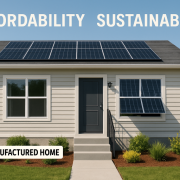
Manufactured homes have undergone a remarkable transformation in recent years, emerging as a go-to choice for affordable, stylish, and efficient living. Whether you are a first-time homebuyer or seeking a downsized option, today’s manufactured homes for sale offer impressive value and amenities that rival traditional housing. These homes combine modern design, smart technology, and green innovations, making them more attractive for individuals and families who prioritize cost savings and sustainability. The evolution in manufactured housing means buyers are no longer limited to basic layouts or materials. In fact, contemporary models deliver customizable options and high-end features that appeal to a broad spectrum of preferences. If you’re considering entering the market, understanding the benefits and considerations can help you make an informed, rewarding decision.
Across the United States, the manufactured housing sector continues to grow as homebuyers seek both affordability and quality. State-specific markets, such as Oklahoma, report average prices significantly below those of site-built homes, widening homeownership opportunities for many Americans. Dramatic improvements in energy efficiency and disaster resilience further cement manufactured homes as serious contenders in today’s dynamic real estate landscape.
Beyond individual buyers, families looking for a sense of community and access to shared amenities are increasingly choosing manufactured housing communities. Neighborhoods feature a wealth of on-site resources—from clubhouses to fitness centers—encouraging strong resident connections and a vibrant lifestyle. For more information on available options, explore the range of mobile homes available today.

Affordability and Cost Savings
The most significant advantage of manufactured housing lies in its affordability. For instance, in Oklahoma, the average manufactured home costs $121,800 compared to $214,732 for traditional single-family homes. This pricing differential allows more families, retirees, and individuals to realize the dream of homeownership without breaking the bank. Lower upfront costs, coupled with generally reduced property taxes and maintenance expenses, contribute to long-term value and peace of mind.
Modern Design and Customization
Interior and exterior design innovations have completely reshaped manufactured homes. Open floor plans, designer kitchens, and energy-efficient appliances have become standard, while smart technology integration—such as programmable lighting and security systems—brings convenience to daily living. Buyers can further tailor their homes with premium finishes, contemporary color palettes, and multi-functional storage, ensuring every space reflects unique personal tastes and needs.
Energy Efficiency and Sustainability
Environmental stewardship is at the forefront of manufactured home construction. Enhancements such as advanced insulation, low-emissivity (Low-E) windows, and programmable thermostats not only slash utility costs but also minimize carbon footprints. Many manufactured homes now meet or exceed Energy Star standards, offering up to 20% annual savings on heating and cooling compared to standard models.
Financing Options and Considerations
Financing a manufactured home can differ from funding a traditional house. Recent changes by the Department of Housing and Urban Development (HUD) have introduced expanded lending options and higher safety standards, making these homes easier to finance and a more attractive investment. Prospective buyers should evaluate loan types, such as FHA or VA loans, and research lenders experienced in the manufactured housing market.
Regulatory Landscape and Compliance
Compliance with zoning laws, HUD codes, and local regulations is essential for manufactured home buyers. States and municipalities may have specific requirements around site placement, utilities, and structural standards. Understanding these rules is crucial to avoiding costly setbacks, ensuring home safety, and making the most of local incentives that can support affordable homeownership.
Community Living and Amenities
Modern manufactured home communities rival traditional neighborhoods in terms of amenities and lifestyle options. These communities often include clubhouses, pools, playgrounds, and fitness centers, as well as organized social events to foster camaraderie. Such amenities create vibrant, welcoming environments where residents can build lasting friendships and enjoy a desirable quality of life.
Durability and Disaster Resilience
Manufactured homes have made substantial advances in durability and safety. Many are engineered to withstand regional risks such as windstorms, flooding, or earthquakes. Robust materials, reinforced frames, and updated construction practices ensure these homes meet rigorous standards, providing homeowners peace of mind across diverse climates.
Future Trends in Manufactured Housing
The future of manufactured housing is dynamic, with technologies like 3D-printed walls and modular construction methods gaining momentum. Companies are leveraging automation and sustainable materials to quickly produce high-quality, affordable homes suited to changing populations and preferences. Although challenges remain around regulations and widespread adoption, these trends signal a brighter, more innovative future for manufactured housing, one where affordable and stylish living remains within reach for more Americans. Modern manufactured homes stand at the intersection of affordability, comfort, and sustainability. As design, technology, and regulatory standards advance, these homes offer an inviting solution to the challenges of today’s housing market.









Comments