
 By
By 
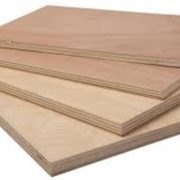
When designing the interior environment of the hospitality sector, the most critical factors include longevity, Style/Design, and Functionality. Material used throughout each type of hospitality facility (hotels, restaurants, resorts, lounges) must withstand the daily abuse while maintaining good looks! That’s why Plywood is used extensively in many hospitality interior applications for all those requirements; Plywood’s Strength, Versatility & Design Application.
Furniture and Fixtures
The most common application of Plywood in the Hospitality Industry is for furniture and fixtures. The Hospitality Industry requires furniture pieces that are highly functional and durable/long-lasting, as they are continuously being used and/or occupied.
Thus p, plywood is highly regarded as a building component for constructing bed frames (as well as headboards), wardrobe cabinets, tables, reception desks, and anything else needing high stability and durability long after they are installed.
Another positive attribute of plywood is the ability to create unique and innovative designs as such; you can use plywood to manufacture furniture items with curves/multiple layers, and the choice of numerous decorative finishes that complement modern design qualities found in Hospitality Facilities.
Wall Coverings / Decorative Surfaces
Another common use of plywood is as wall panelling/decorative surfaces in hospitality facilities. Designers often use plywood as a base material for laminate, veneer, and other decorative finishes, providing attractive panelling to complement hotel renovations.
Wood or wall panelling has been used in hotels’ lobby & reception area design for many years, as well as in restaurants and lounge facilities within the hotel. Plywood wall panel systems further enhance and create a warm and comfortable atmosphere and are also structurally sound.
Plywood is easily processed for cutting to the desired dimensions and is easily shaped into the necessary design, and most importantly, it accepts all finish treatments (stains, paint) to fit the designer’s design theme.
Doors and Structural Components
Hotels are also designed to have doors that can survive frequently opening and closing. Therefore,any doors in hotels have plywood in the core material and are made of a flush or a panelled door style because of the strength and durability of plywood.
The cross-laminated structure of plywood provides for stable and resistant construction against the twisting/bowing of a door.
Ceilings and Partitions
Another application of plywood for the hospitality sector is ceilings and their use as a barrier for interior partitions. Partitions are used in the hospitality sector to separate seating from the dining room; establish a private dining area; or establish an area based on how they are going to function.
Plywood can be used to design ceilings & walls depending on average loading and types of materials, which allows for decorative ceilings, acoustic walls, and decorative partitions, all visually enhancing the space of a hospitality establishment.
Storage and Service Spaces
While most of the hospitality businesses that people see, there is also much functional space that is out of sight, such as storage/utility. Materials used to construct shelving units, kitchen storage cabinets, service counters, and all back-of-house products are typically plywood.
Plywood has high load capacity and is easy to clean; therefore, when the design requires supreme strength & durability, then Plywood is the most appropriate material to be used in functional areas.
Conclusion
The many and varied uses of plywood in hospitality establishments are all related to aesthetics, solid and durable materials,a nd the ability to adapt to the aesthetics of each facility. Furniture, wall panelling, all provide for aesthetically pleasing designs, while at the same time, the combination of plywood with other materials fulfils a dual purpose: to be aesthetically attractive and provide structural support for the commercially high-occupancy facilities of the hospitality sector.








Comments