
 By
By 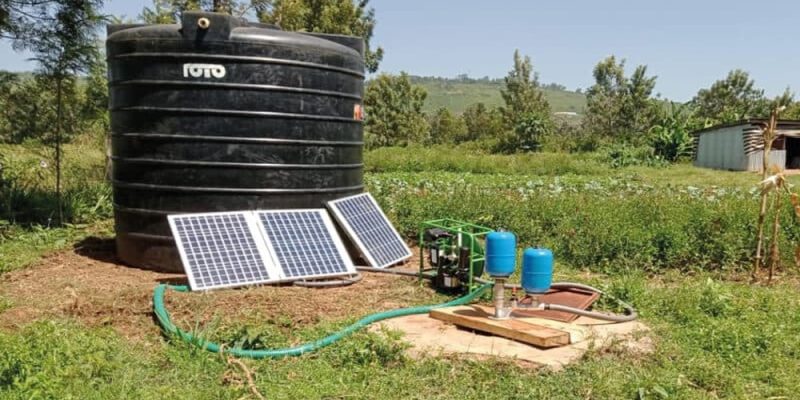
Selecting the right type of water pump is essential for efficient and reliable performance on UK construction sites, agricultural land, and flood defence projects. Two of the most commonly used options are submersible pumps and surface water pumps. While both serve the purpose of moving water, they operate in very different ways and are suited to different site conditions.
Understanding the differences between these pump types helps ensure the right equipment is chosen for the job, reducing downtime, improving efficiency, and preventing costly operational issues.
What Is a Submersible Pump?
A submersible pump is designed to operate while fully submerged in water. The motor is sealed within a waterproof housing, allowing it to be placed directly into the liquid being pumped.
These pumps are commonly used for:
- Floodwater removal
- Groundwater extraction
- Drainage of construction sites
- Sump pumping applications
Because they operate underwater, submersible pumps are highly efficient at moving large volumes of water from low-level areas.
What Is a Surface Water Pump?
A surface water pump, sometimes referred to as a centrifugal or engine driven pump, sits above the water source and draws water through an inlet hose.
Typical applications include:
- Irrigation and agricultural water transfer
- Site dewatering where access is easier above ground
- Tank filling and water distribution
- Temporary construction setups
These pumps are often preferred where portability and easy access are important.
Key Differences Between Submersible and Surface Pumps
1. Installation Position
- Submersible pumps operate underwater
- Surface pumps remain above ground
2. Efficiency in Deep Water
- Submersible pumps are more effective in deep or flooded areas
- Surface pumps are better suited to shallow or controlled water sources
3. Maintenance Access
- Submersible pumps must be removed for servicing
- Surface pumps are easier to inspect and maintain on-site
4. Noise Levels
- Submersible pumps are quieter due to underwater operation
- Surface pumps are generally noisier, especially engine driven models
5. Mobility and Flexibility
- Surface pumps are easier to relocate between sites
- Submersible pumps are typically fixed or deployed for specific tasks
Choosing the Right Pump for Site Conditions
When selecting between submersible and surface water pumps, several factors should be considered:
- Water depth and access: Deep or flooded areas typically require submersible pumps
- Duration of use: Long term applications may favour submersible systems
- Portability needs: Surface pumps are better for frequent relocation
- Power availability: Engine driven surface pumps are useful where electricity is limited
- Flow rate requirements: Both pump types vary in capacity depending on model
Matching the pump to the environment ensures efficient performance and reduces the risk of equipment failure.
Applications in UK Industries
Both pump types are widely used across the UK in sectors such as:
- Construction and civil engineering sites
- Flood prevention and emergency response
- Agriculture and irrigation systems
- Utilities and water management projects
- Infrastructure maintenance and drainage works
Each application demands careful pump selection based on site conditions and operational needs.
Frequently Asked Questions
Which pump is better for floodwater removal?
Submersible pumps are generally preferred due to their ability to operate directly in deep or submerged conditions.
Can surface pumps handle dirty water?
Yes, but only certain models designed for dirty or debris laden water. Always check specifications before use.
Are submersible pumps more efficient?
They are often more efficient in deep water applications, as they push water rather than draw it.
Which pump is easier to maintain?
Surface pumps are typically easier to access and maintain since they do not need to be submerged.
Final Thoughts
Choosing between submersible and surface water pumps depends largely on site conditions, water depth, and operational requirements. Submersible pumps excel in deep or flooded environments, while surface pumps offer flexibility and ease of access for a wide range of site applications.
Understanding these differences ensures better performance, improved efficiency, and reduced downtime across UK construction and water management projects.












Comments